
Table of Contents
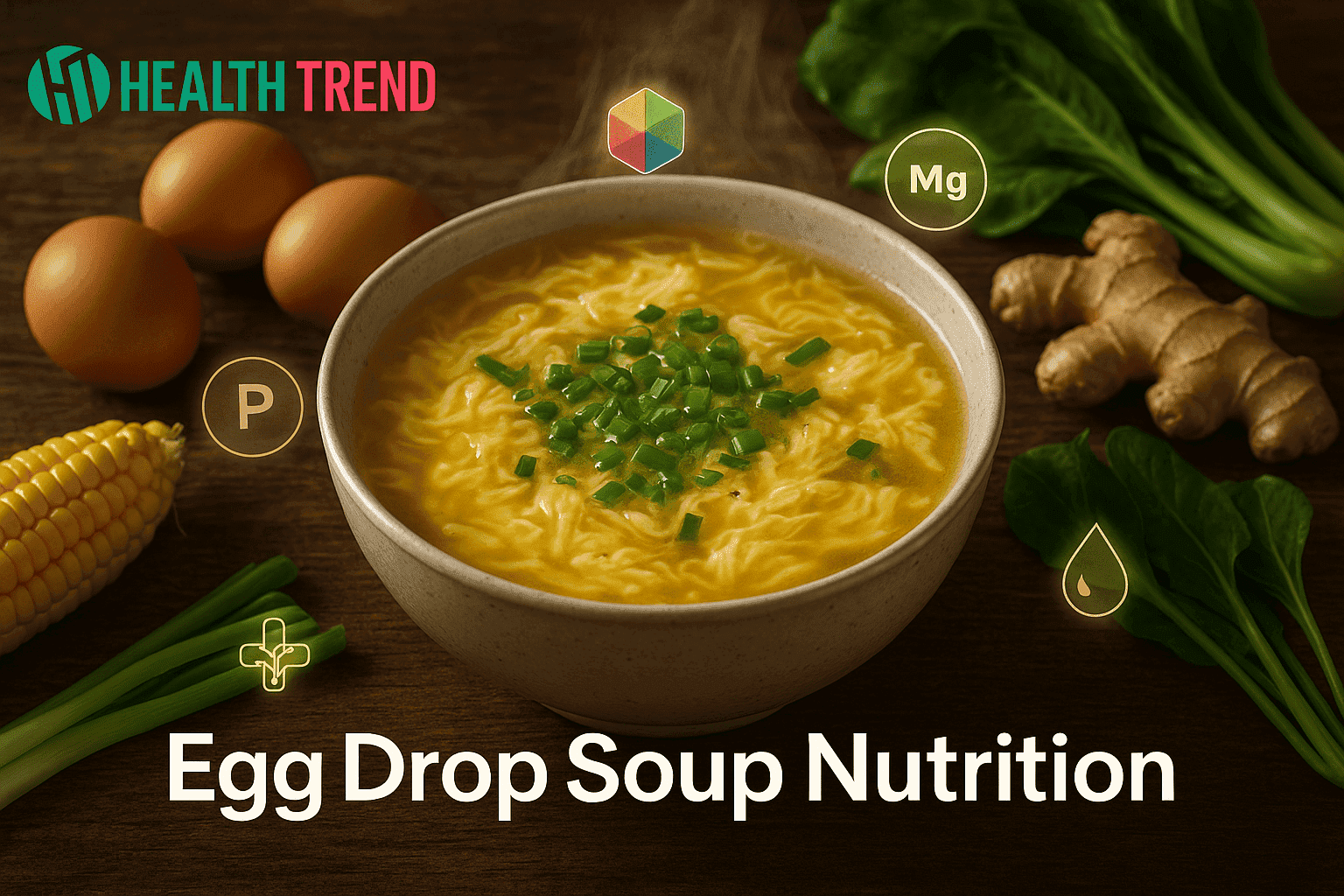
Egg Drop Soup Nutrition: Complete Guide to Health Benefits & Nutritional Facts
Egg drop soup has become a beloved comfort food worldwide, known for its silky texture and satisfying warmth. But beyond its delicious taste, many health-conscious individuals wonder about egg drop soup nutrition and whether this popular Chinese dish can fit into their healthy eating plans.
This comprehensive guide explores everything you need to know about egg drop soup nutrition facts, from calorie content and macronutrient breakdown to vitamins, minerals, and potential health benefits. Whether you’re counting calories, managing dietary restrictions, or simply curious about what you’re consuming, this detailed analysis will help you make informed decisions about including this comforting soup in your diet.
Understanding Egg Drop Soup Nutrition Data:
Egg drop soup nutrition data reveals that one cup of traditional Chinese restaurant-style egg drop soup contains approximately 65 calories, with a macronutrient breakdown of 63-64% carbohydrates, 20% fat, and 17% protein. This relatively low-calorie profile makes it an appealing option for those watching their weight or seeking a light meal.
A standard cup serving (around 244 grams) provides about 2.8 grams of protein, 1.5 grams of fat, and 10.5 grams of carbohydrates. The soup’s simplicity doesn’t compromise its nutritional value, offering a balanced combination of macronutrients in a easily digestible format.
For those preferring smaller portions, 100 grams of egg drop soup contains just 27 calories, 1.16 grams of protein, and 3.89 grams of net carbohydrates, making it an excellent choice for light snacking or as a starter course.
Comprehensive Egg Drop Soup Nutrition Facts:
The egg drop soup nutrition facts extend beyond basic calorie counting. This traditional soup provides several essential nutrients that contribute to overall health and well-being.
Protein Content and Quality:
The protein in egg drop soup comes primarily from eggs, which are considered a complete protein source. The eggs provide high-quality protein that supports muscle building, repair, and overall body function, making this soup particularly beneficial for athletes, elderly individuals, and anyone looking to maintain adequate protein intake.
Carbohydrate Profile:
The carbohydrates in egg drop soup come mainly from the thickening agents used in the broth, typically cornstarch or similar starches. These provide quick energy while keeping the overall carbohydrate content moderate, making it suitable for various dietary approaches.
Fat Content and Distribution:
With only 1.5 grams of fat per serving, egg drop soup is considered a low-fat food option. The minimal fat content comes primarily from the eggs, providing essential fatty acids without overwhelming the dish’s light character.
Essential Vitamins and Minerals in Egg Drop Soup Nutrition Information:
Egg drop soup nutrition information reveals an impressive array of vitamins and minerals packed into this simple dish. Understanding these micronutrients helps appreciate the soup’s contribution to daily nutritional needs.
Vitamin Content:
The broth provides vitamin C, vitamin A, and other essential vitamins, while eggs contribute B12, riboflavin, and folate. Egg drop soup is particularly rich in vitamin C, covering 17.5% of daily vitamin C needs, and is 6.8 times richer in vitamin A compared to similar soups.
A 14-ounce portion provides 210 international units of vitamin A and trace amounts of folate, vitamin B-12, vitamin C, and vitamin D. These vitamins support immune function, energy metabolism, and overall cellular health.
Mineral Profile:
The mineral content of egg drop soup includes several important nutrients. Potassium stands out at 370 milligrams per 14-ounce serving, supporting heart health and proper muscle function.
Eggs provide minerals including iron, phosphorus, and selenium, while the soup contains 370mg of sodium per 100 grams, representing 16% of daily value. Additional minerals include trace amounts of calcium, iron, and zinc.
Egg Drop Soup Nutrition Value for Different Dietary Needs:
The egg drop soup nutrition value varies depending on preparation methods and individual dietary requirements. Understanding how this soup fits into different eating patterns helps maximize its benefits.
Weight Management Benefits:
With its low calorie density and moderate protein content, egg drop soup can be an excellent addition to weight management plans. The high water content promotes satiety while the protein helps maintain muscle mass during calorie restriction.
The soup’s light nature makes it ideal as a starter course, potentially helping reduce overall calorie intake during meals by promoting early satiation.
Nutrient Density Considerations:
While not extremely nutrient-dense compared to vegetable-heavy soups, egg drop soup provides quality protein and several vitamins in a low-calorie package. The bioavailability of nutrients from eggs is exceptionally high, meaning the body can efficiently utilize the provided vitamins and minerals.
Health Benefits and Considerations:
Beyond basic nutrition, egg drop soup offers several health-related advantages that make it valuable in a balanced diet.
Digestibility and Gut Health:
The gentle nature of egg drop soup makes it easily digestible, making it suitable for individuals with sensitive stomachs or those recovering from illness. The warm broth can be soothing and hydrating, particularly beneficial during cold weather or when feeling unwell.
Hydration Support:
With its high water content, egg drop soup contributes significantly to daily fluid intake. This is particularly important for individuals who struggle to drink enough plain water or for elderly people who may have diminished thirst sensation.
Blood Sugar Impact:
The moderate carbohydrate content and presence of protein help provide steady energy without causing significant blood sugar spikes, making it suitable for individuals managing diabetes when consumed in appropriate portions.
Enhancing Egg Drop Soup Nutrition Value:
While traditional egg drop soup provides decent nutrition, several modifications can significantly boost its nutritional profile without compromising taste.
Vegetable Additions:
Adding vegetables such as spinach, bok choy, mushrooms, or tomatoes can enhance the nutritional value. These additions provide extra vitamins, minerals, antioxidants, and fiber while maintaining the soup’s characteristic light texture.
Green vegetables like spinach or bok choy add folate, iron, and vitamin K, while mushrooms contribute B vitamins and potassium. Tomatoes provide lycopene and additional vitamin C.
Broth Quality Improvements:
Using homemade bone broth instead of conventional chicken broth can significantly increase the mineral content, particularly calcium, magnesium, and phosphorus. Bone broth also provides collagen and other beneficial compounds that support joint and skin health.
Seaweed Integration:
Adding seaweed creates a nutrient-dense variation that’s high in nutrients and low in calories, providing excellent sources of calcium, iron, potassium, fiber, and naturally rich iodine for healthy thyroid function.
Comparing Egg Drop Soup to Other Soups:
Understanding how egg drop soup nutrition stacks up against other popular soup options helps inform dietary choices.
Versus Hot and Sour Soup:
While egg drop soup is higher in vitamin A and vitamin A RAE, hot and sour soup contains more B-complex vitamins and higher mineral content overall. Both soups contain significant sodium content, which should be considered for individuals monitoring sodium intake.
Versus Wonton Soup:
Egg drop soup provides significantly more vitamin C (9.3 times richer) and vitamin A (6.8 times richer) compared to wonton soup, making it nutritionally superior in these specific vitamins.
Sodium Considerations in Egg Drop Soup:
One important aspect of egg drop soup nutrition information is its sodium content. Restaurant versions typically contain substantial sodium levels, which can be concerning for individuals with hypertension or those following low-sodium diets.
Managing Sodium Intake:
When consuming egg drop soup regularly, consider balancing sodium intake throughout the day by choosing low-sodium options for other meals. Homemade versions allow for better sodium control by using low-sodium broth and limiting added salt.
Health Implications:
While moderate sodium intake is necessary for proper bodily function, excessive consumption can contribute to high blood pressure and other cardiovascular issues. Those with existing heart conditions should consult healthcare providers about appropriate sodium limits.
Making Healthier Egg Drop Soup at Home:
Creating egg drop soup at home allows for complete control over ingredients and nutritional content, potentially improving the overall nutrition profile while maintaining authentic flavors.
Ingredient Selection:
Choose organic, free-range eggs when possible for higher omega-3 fatty acid content and better overall nutrient profile. Use low-sodium chicken or vegetable broth to reduce sodium content while maintaining flavor.
Preparation Techniques:
Proper egg incorporation technique ensures the characteristic silky texture while maximizing protein retention. Gentle heating preserves heat-sensitive vitamins like vitamin C and folate.
Portion Control:
Understanding appropriate serving sizes helps maximize nutritional benefits while managing calorie intake. A standard cup serving provides satisfying nutrition without excessive calories.
Frequently Asked Questions About Egg Drop Soup Nutrition:
Is egg drop soup good for weight loss?
Yes, egg drop soup can support weight loss efforts due to its low calorie content (around 65 calories per cup) and moderate protein content. The high water content promotes satiety, potentially helping reduce overall calorie intake when used as a starter or light meal.
How much protein is in egg drop soup?
A typical cup of egg drop soup contains approximately 2.8-3 grams of protein, primarily from the eggs. While not extremely high in protein, it provides complete amino acids that are easily absorbed by the body.
Is egg drop soup healthy for diabetics?
Egg drop soup can be suitable for diabetics in moderation due to its moderate carbohydrate content and presence of protein, which helps stabilize blood sugar levels. However, individuals with diabetes should monitor portion sizes and consider the sodium content.
What vitamins are in egg drop soup?
Egg drop soup contains various vitamins including vitamin A, vitamin C, B vitamins (particularly B12, riboflavin, and folate), vitamin D, and small amounts of other essential vitamins. The exact content varies based on preparation methods and ingredients used.
Can I eat egg drop soup every day?
While egg drop soup can be part of a daily diet, consider the sodium content and ensure dietary variety. Daily consumption should be balanced with other nutrient-dense foods to meet all nutritional needs. Those with sodium restrictions should exercise caution.
Does egg drop soup have any allergens?
Egg drop soup contains eggs, which are one of the eight major allergens. Additionally, restaurant versions may contain wheat (in thickening agents) or soy products. Individuals with food allergies should check ingredients carefully or prepare homemade versions.
How many calories are in homemade vs restaurant egg drop soup?
Homemade egg drop soup typically contains 50-65 calories per cup, while restaurant versions may range from 65-90 calories due to additional oils, thickeners, and sodium. Making it at home allows better control over ingredients and overall nutrition.
Is egg drop soup keto-friendly?
With 10.5 grams of carbohydrates per cup, traditional egg drop soup is not considered keto-friendly. However, modified versions using alternative thickeners like xanthan gum instead of cornstarch can reduce the carb content significantly.
What’s the best time to eat egg drop soup for optimal nutrition?
Egg drop soup works well as a light dinner, appetizer, or when feeling unwell. Its easy digestibility makes it suitable for evening consumption without disrupting sleep, while its protein content can help with overnight muscle recovery.
Conclusion: Making Egg Drop Soup Work for Your Nutritional Goals
Egg drop soup nutrition offers a compelling combination of low calories, quality protein, and essential vitamins and minerals in an easily digestible format. With approximately 65 calories per cup and a balanced macronutrient profile, this traditional Chinese soup can be a valuable addition to various dietary approaches, from weight management to general wellness.
The comprehensive egg drop soup nutrition facts reveal that this simple dish provides more than just comfort food satisfaction. Its impressive vitamin A content, moderate protein from high-quality eggs, and essential minerals make it a nutritionally sound choice for regular consumption, provided sodium intake is monitored.
Understanding egg drop soup nutrition information empowers you to make informed dietary decisions. Whether you’re seeking a light meal option, looking for easily digestible protein, or simply wanting to enjoy a warming bowl of soup without derailing your health goals, egg drop soup delivers on multiple fronts.
The key to maximizing egg drop soup nutrition value lies in mindful preparation and consumption. Restaurant versions offer convenience but often contain higher sodium levels, while homemade preparations allow for ingredient control and nutritional enhancement through vegetable additions and quality broth selection.
For those committed to maintaining a balanced, nutritious diet while enjoying flavorful, satisfying foods, egg drop soup represents an excellent choice that bridges the gap between health and taste. By incorporating this versatile soup into your meal planning, you’re choosing a time-tested dish that nourishes both body and soul.
Ready to enhance your nutrition with this delicious, low-calorie soup? Start experimenting with homemade versions today, and discover how traditional egg drop soup can become a regular, healthful part of your dietary routine. Visit our healthy recipes section for more nutritious meal ideas that support your wellness journey.