
Table of Contents
Five Guys Nutrition: Your Complete Guide to Making Healthier Choices at America’s Favorite Burger Chain
Five Guys has become synonymous with indulgent, made-to-order burgers and hand-cut fries, but understanding the nutritional landscape of their menu can help you make informed dining decisions. Whether you’re counting calories, managing dietary restrictions, or simply curious about what goes into your favorite Five Guys meal, this comprehensive nutrition guide will equip you with everything you need to know.
From detailed calorie breakdowns to healthier menu alternatives, we’ll explore how to navigate Five Guys’ offerings while staying aligned with your health goals. Let’s dive into the numbers behind the flavor and discover smart strategies for enjoying America’s beloved burger chain responsibly.
Understanding Five Guys Menu Nutrition Facts:
Five Guys prides itself on fresh, made-to-order meals, but this customization freedom comes with significant caloric variations. The chain’s commitment to quality ingredients like fresh-never-frozen beef and hand-cut potatoes creates delicious results that often pack substantial nutritional numbers.
The foundation of Five Guys nutrition starts with their beef patties. A single beef patty contains approximately 220 calories and 17 grams of fat, while their “little” burger patty weighs in at around 220 calories as well. These numbers multiply quickly when you add cheese, bacon, and other toppings to create your perfect burger combination.
Understanding portion sizes proves crucial when analyzing Five Guys nutrition. Their regular hamburger actually contains two beef patties, effectively doubling the protein and calories compared to their “little” hamburger option. This distinction becomes essential when calculating your meal’s total nutritional impact and planning your daily caloric intake accordingly.
Five Guys Nutrition Calculator: How to Track Your Meal:
A Five Guys nutrition calculator becomes an invaluable tool for health-conscious diners who want precise nutritional information. While Five Guys doesn’t offer an official calculator on their website, several third-party tools and mobile applications can help you track calories, macronutrients, and other dietary components.
The most effective approach involves breaking down your order into individual components. Start with your base item – whether it’s a hamburger, cheeseburger, or hot dog – then add each topping individually. Popular nutrition tracking apps like MyFitnessPal, Cronometer, and Lose It! contain comprehensive Five Guys databases that include most menu items and toppings.
When using external calculators, remember that Five Guys allows unlimited free toppings like lettuce, tomatoes, onions, and pickles. These vegetables typically add minimal calories (usually 3-10 calories each) but provide valuable nutrients and fiber that can help balance your meal’s overall nutritional profile.
For those seeking the most accurate tracking, consider downloading the official Five Guys nutrition PDF from their website, which contains detailed breakdowns of every menu item, including allergen information and complete nutritional facts for informed decision-making.
Calorie Breakdown: Five Guys Menu Items
Burgers and Cheeseburgers:
The burger category represents Five Guys’ core offerings, with calorie counts varying dramatically based on size and toppings. A Little Hamburger (single patty) contains approximately 540 calories, while a regular Hamburger (double patty) jumps to around 840 calories. Adding cheese increases these numbers by roughly 70 calories per slice.
Bacon lovers should note that each strip adds about 80 calories and 7 grams of fat to your burger. While delicious, bacon can quickly transform a moderate-calorie meal into a high-calorie indulgence. Consider splitting bacon between multiple people or choosing it as an occasional treat rather than a regular addition.
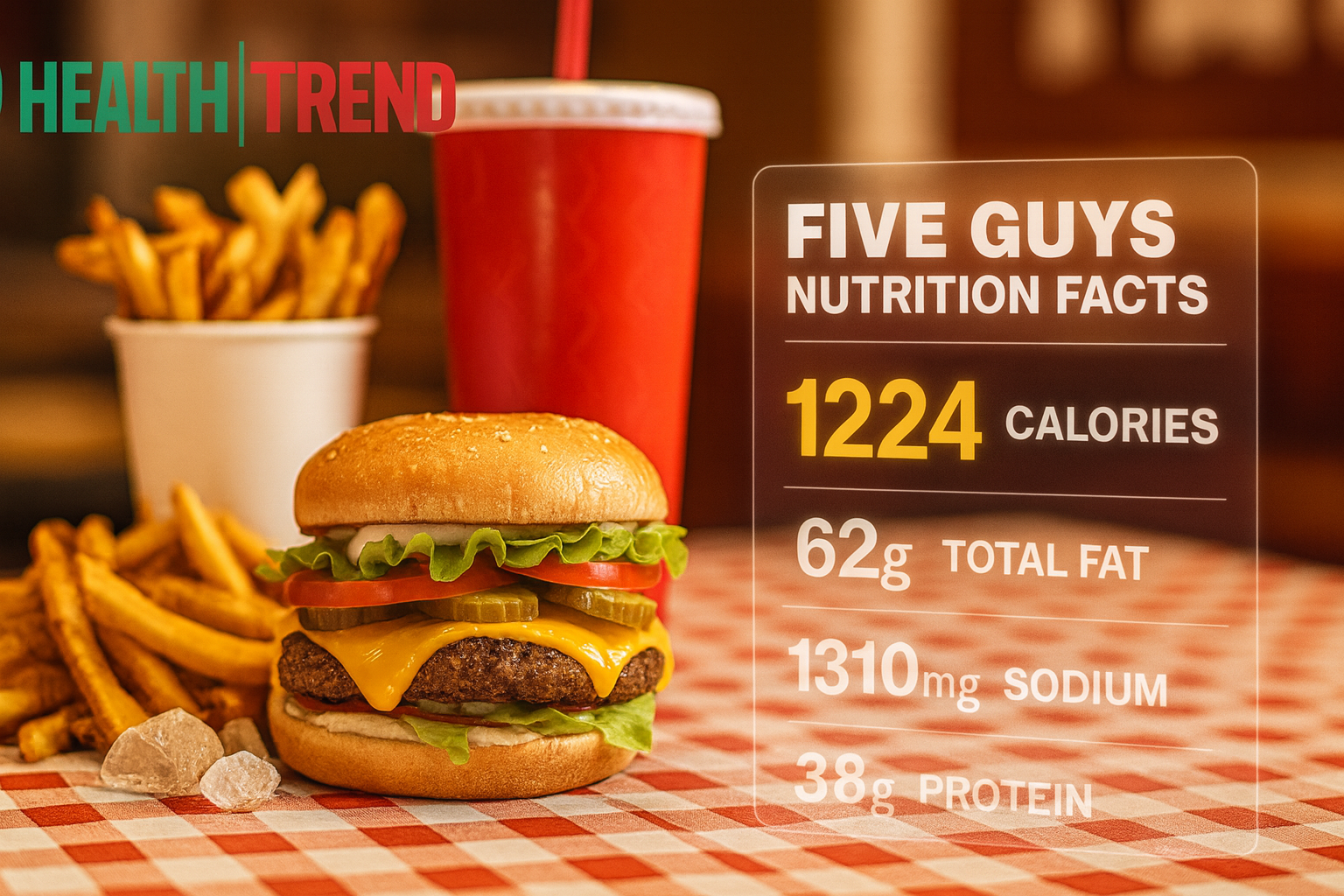
The most calorie-dense burger combinations can exceed 1,200 calories before adding fries or drinks. Popular high-calorie combinations include the Bacon Cheeseburger (regular size) with multiple toppings, which can approach the entire recommended daily caloric intake for some individuals.
Fries: The Five Guys Signature Side:
Five Guys fries deserve special attention due to their popularity and caloric density. A regular order of Five Guys fries contains approximately 620 calories and 30 grams of fat, while a large order can reach over 1,000 calories. These hand-cut, peanut oil-fried potatoes deliver exceptional taste but represent a significant caloric investment.
The “little” fries option provides a more moderate alternative at around 530 calories, offering the Five Guys fries experience with better portion control. This size often satisfies cravings while leaving room for other meal components without overwhelming your daily caloric budget.
Cajun fries add minimal calories (typically under 10) while providing extra flavor through spices. This seasoning option delivers taste enhancement without substantially impacting your meal’s nutritional profile, making it an excellent choice for flavor seekers watching their calorie intake.
Hot Dogs and Sandwiches:
Five Guys hot dogs present a lower-calorie alternative to their burger offerings. An unadorned beef frank is top dog on the Five Guys menu for nutrition, with the lowest calories, fat, and sodium. A basic hot dog contains approximately 520 calories, while cheese and bacon additions increase this number significantly.
The Veggie Sandwich offers the lowest-calorie entrée option, containing primarily vegetables, cheese, and condiments on a bun. This option typically ranges from 400-600 calories depending on toppings and provides a plant-forward alternative for those seeking lighter fare.
Grilled cheese represents another moderate-calorie option, especially popular among vegetarians and those seeking comfort food without the meat component. At approximately 470 calories, it provides a satisfying meal option that won’t derail dietary goals.
Healthiest Five Guys Options: Smart Menu Choices:
Low-Calorie Alternatives:
If you’re itching for the Five Guys famous burger, the Bunless Little Hamburger is your best bet with 220 calories, 17 grams of fat, and 50 milligrams of sodium. This option eliminates the bun’s 240 calories while preserving the burger experience through high-quality beef and unlimited vegetable toppings.
Five Guys offers the flexibility to customize your meal to suit various dietary needs. By opting for bunless burgers, being selective with toppings, and choosing the smaller portions, you can enjoy the rich flavors of Five Guys while keeping your meal low in calories and high in protein.
Loading your bunless burger with vegetables like mushrooms, green peppers, onions, lettuce, and tomatoes adds nutrients, fiber, and flavor without significant caloric impact. These toppings provide essential vitamins and minerals while helping create a more balanced nutritional profile for your meal.
Strategic Topping Choices:
Mustard emerges as the lowest-calorie condiment option, adding flavor without the caloric burden of mayonnaise or other creamy sauces. Hot sauce provides another nearly calorie-free way to enhance your meal’s taste profile while supporting metabolism through capsaicin compounds.
Pickles, lettuce, and tomatoes offer the best nutritional value per calorie among Five Guys toppings. These vegetables provide hydration, fiber, vitamins, and minerals while contributing minimal calories to your overall meal total.
Avoiding or limiting high-calorie toppings like mayonnaise (90 calories per serving), multiple cheese slices, and excessive bacon can dramatically reduce your meal’s caloric impact while maintaining satisfying flavors through strategic substitutions.
Hidden Nutrition Facts and Ingredient Insights:
Five Guys uses peanut oil for frying, which provides better stability at high temperatures but creates concerns for those with peanut allergies. This oil choice contributes to the distinctive taste of their fries but also adds to the overall caloric density through its high fat content.
The chain’s commitment to fresh, never-frozen ingredients means nutritional values can vary slightly based on seasonal factors and supplier variations. However, their standardized preparation methods help maintain consistency across locations and time periods.
Sodium content deserves attention for those monitoring salt intake. Many Five Guys menu items contain substantial sodium levels, with some burger combinations exceeding 1,500 milligrams – nearly the entire recommended daily intake for many adults.
Making Five Guys Fit Your Diet Plan:
Keto-Friendly Options:
The bunless burger approach aligns perfectly with ketogenic diet requirements, providing high fat and protein content while minimizing carbohydrates. Adding cheese and avoiding sweet toppings like ketchup helps maintain ketosis while enjoying Five Guys flavors.
Bacon and cheese additions become advantageous for keto dieters, as they increase the meal’s fat content without adding carbohydrates. This reverses the traditional “healthier” approach but aligns with ketogenic macronutrient requirements.
Lower-Carb Strategies:
Replacing fries with extra vegetables creates a more balanced macronutrient profile while reducing overall carbohydrate intake. While Five Guys doesn’t offer side salads, maximizing vegetable toppings on your burger can provide similar nutritional benefits.
Consider ordering a bunless burger with a small fries portion to satisfy cravings while moderating carbohydrate intake. This compromise approach allows for indulgence while maintaining better overall dietary balance.
Portion Control Techniques:
Sharing meals represents an effective strategy for enjoying Five Guys while managing portions. Splitting a regular burger and fries between two people provides reasonable portions while reducing individual caloric intake significantly.
Ordering “little” sizes across all menu categories – little burger, little fries – creates a more moderate meal that still delivers the Five Guys experience without overwhelming caloric totals.
Five Guys vs. Competitors: Nutrition Comparison:
Compared to other fast-casual burger chains, Five Guys generally falls on the higher end of the caloric spectrum due to their generous portions and cooking methods. However, their use of fresh ingredients and customization options provide advantages for health-conscious diners willing to make strategic choices.
McDonald’s Quarter Pounder with Cheese contains fewer calories than a Five Guys regular cheeseburger, but Five Guys offers superior ingredient quality and customization flexibility. This trade-off between calories and quality requires personal prioritization based on individual health goals.
In-N-Out Burger’s “Protein Style” option (bunless burger) inspired similar offerings across the industry, including Five Guys’ bunless alternatives. These modifications demonstrate how customer demand drives healthier options even in indulgent restaurant categories.
Allergen Information and Special Dietary Needs:
Five Guys maintains detailed allergen information in their official Five Guys nutrition PDF, covering all major allergens including gluten, dairy, soy, and nuts. Their extensive use of peanut oil and in-restaurant peanut availability makes the location unsuitable for those with severe peanut allergies.
Gluten-sensitive individuals can enjoy bunless burgers and fries, as Five Guys fries are naturally gluten-free when prepared in dedicated fryers. However, cross-contamination risks exist due to shared preparation surfaces and equipment.
Vegetarian options remain limited to grilled cheese, veggie sandwiches, and fries. Vegan diners face significant challenges, as most menu items contain dairy or are prepared on surfaces with meat products.
Smart Ordering Strategies for Health-Conscious Diners:
Planning your Five Guys visit in advance allows for better decision-making and reduces impulsive high-calorie choices. Reviewing nutrition information beforehand helps establish clear boundaries and expectations for your meal experience.
Consider Five Guys as an occasional treat rather than regular dining option. This mindset shift allows for guilt-free enjoyment while maintaining overall dietary goals through moderation and balance.
Hydration plays a crucial role when consuming high-sodium Five Guys meals. Choosing water over sugary beverages helps manage both calories and sodium impact while supporting proper hydration levels.
Maximizing Nutrition Value at Five Guys:
Focus on protein-rich choices that provide satiety and support muscle health. Five Guys’ fresh beef patties offer high-quality protein that can fit into balanced dietary patterns when consumed mindfully.
Vegetable toppings provide the best nutritional value per calorie, delivering vitamins, minerals, and fiber that support overall health. Maximizing these additions helps create more balanced meals despite the indulgent base ingredients.
Consider timing your Five Guys meals around periods of higher activity or as post-workout nutrition when your body can better utilize the calories and nutrients for recovery and energy replenishment.
Frequently Asked Questions:
How many calories are in a Five Guys burger?
A Five Guys Little Hamburger contains approximately 540 calories, while a regular Hamburger (with two patties) contains around 840 calories. Adding cheese increases the count by about 70 calories per slice, and bacon adds roughly 80 calories per strip.
What is the healthiest option at Five Guys?
The healthiest option at Five Guys is the Bunless Little Hamburger with vegetable toppings, containing approximately 220 calories. Loading it with lettuce, tomatoes, onions, and other free vegetables adds nutrients while keeping calories minimal.
Are Five Guys fries healthy?
Five Guys fries are high in calories and fat, with a regular order containing about 620 calories and 30 grams of fat. While they’re made from fresh potatoes and cooked in peanut oil, they’re best enjoyed as an occasional treat rather than a regular dietary staple.
Does Five Guys have a nutrition calculator?
Five Guys doesn’t offer an official nutrition calculator, but they provide detailed nutrition information in PDF format on their website. Third-party apps like MyFitnessPal contain comprehensive Five Guys nutrition databases for tracking meals.
What are the lowest calorie items at Five Guys?
The lowest calorie items include the Bunless Little Hamburger (220 calories), Hot Dog (520 calories), and Veggie Sandwich (400-600 calories depending on toppings). Vegetable toppings like lettuce, tomatoes, and onions add minimal calories while boosting nutrition.
Can you eat keto at Five Guys?
Yes, Five Guys can accommodate keto diets through bunless burgers with cheese and bacon, avoiding high-carb toppings like ketchup. This approach provides high fat and protein content while minimizing carbohydrates to maintain ketosis.
Conclusion:
Navigating Five Guys nutrition doesn’t require completely avoiding this beloved burger chain – it simply demands strategic thinking and informed choices. By understanding calorie counts, utilizing tools like the Five Guys nutrition calculator, and making smart substitutions, you can enjoy their fresh, made-to-order meals while staying aligned with your health goals.
Remember that moderation and balance remain key principles for incorporating any indulgent dining experience into a healthy lifestyle. Five Guys can absolutely fit into your dietary plans when approached with knowledge, planning, and portion awareness.
Whether you’re choosing the bunless burger route, sharing meals with friends, or treating Five Guys as an occasional celebration meal, the power lies in making informed decisions that support your individual health journey. Use the strategies outlined in this guide to make your next Five Guys visit both satisfying and sensible.
For more nutrition guides and healthy eating tips, explore our comprehensive resources at Health Trend Blog, where we break down the nutritional landscape of your favorite restaurants and foods to help you make better choices every day.