
Table of Contents
Rice Cakes Nutrition Facts: The Complete Guide to This Popular Snack
Have you ever wondered what makes rice cakes such a go-to snack for health-conscious individuals? These light, crunchy discs have become a staple in pantries worldwide, but what’s really inside them nutritionally speaking? Let’s dive deep into the world of rice cakes and uncover everything you need to know about their nutritional profile.
What Are Rice Cakes and Why Are They So Popular?
Rice cakes are essentially puffed rice that’s been compressed into circular, flat cakes. Think of them as rice that’s been transformed through heat and pressure into a completely different texture – crispy, light, and satisfying. They’ve gained popularity because they offer a convenient, shelf-stable snack option that seems healthy at first glance.
But here’s the thing – not all rice cakes are created equal. The manufacturing process involves taking rice grains, applying heat and pressure to make them “pop,” and then forming them into those familiar round shapes we know and love. This process dramatically changes the rice’s texture while maintaining most of its basic nutritional components.
The appeal is obvious: they’re portable, have a satisfying crunch, and appear to be a healthier alternative to chips or other processed snacks. But do they live up to the hype? That’s what we’re here to find out.
Complete Nutritional Breakdown of Rice Cakes
Let’s get into the nitty-gritty of what you’re actually consuming when you bite into a rice cake. Understanding these numbers will help you make informed decisions about incorporating them into your diet.
Calories in Rice Cakes
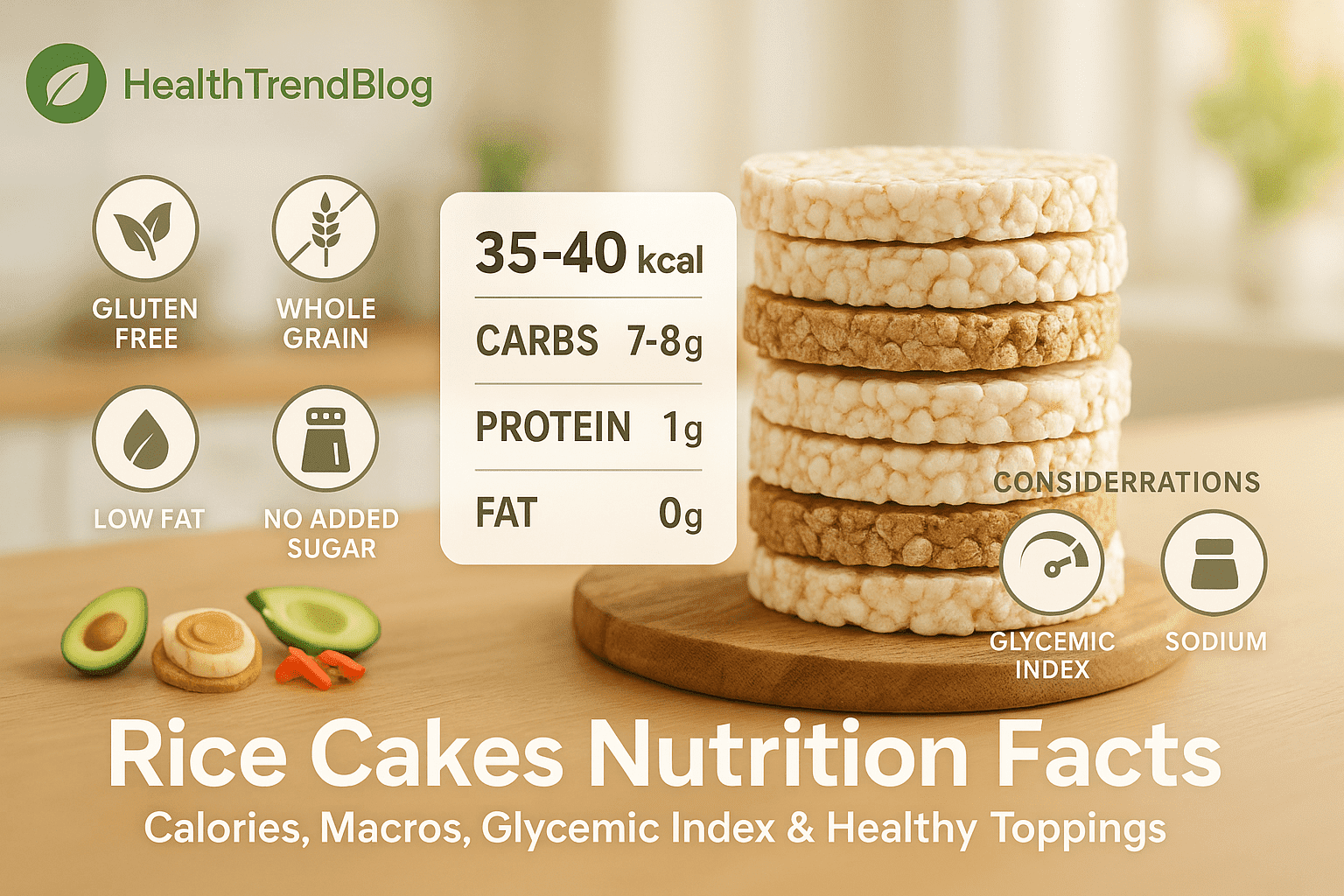
A single plain rice cake typically contains between 35-40 calories. That’s remarkably low when you compare it to other snack options. To put this in perspective, you could eat three rice cakes and still consume fewer calories than a single chocolate chip cookie!
However, the calorie count can vary significantly depending on the type and flavor. Flavored varieties, especially those with chocolate or caramel coatings, can pack anywhere from 50-80 calories per cake. That might not sound like much, but it adds up quickly when you’re mindlessly munching through a whole package.
Macronutrients: Carbs, Protein, and Fat
Here’s where rice cakes show their true colors nutritionally. A typical plain rice cake contains:
Carbohydrates: About 7-8 grams per cake, making up roughly 80-90% of the total calories. These are primarily simple carbohydrates that your body can quickly convert to energy.
Protein: A modest 0.7-1 gram per cake. This isn’t going to contribute significantly to your daily protein needs, but every little bit helps.
Fat: Virtually none – usually less than 0.5 grams per cake. This makes them an extremely low-fat snack option.
The macronutrient profile reveals that rice cakes are essentially a carbohydrate delivery system. They’re not going to provide substantial protein for muscle building or healthy fats for satiety, but they excel at providing quick energy.
Micronutrients: Vitamins and Minerals
Unfortunately, this is where rice cakes fall short. The puffing process and refinement of white rice removes most of the beneficial micronutrients. A typical rice cake provides minimal amounts of:
- Manganese: A trace amount that supports bone development and wound healing
- Niacin (Vitamin B3): Small quantities that aid in energy metabolism
- Magnesium: Minimal amounts for muscle and nerve function
- Phosphorus: Trace levels for bone health
Brown rice cakes fare slightly better, retaining more of the original grain’s nutrients, but they’re still not nutritional powerhouses by any means.
Different Types of Rice Cakes and Their Nutritional Variations
Not all rice cakes are nutritionally identical. Let’s explore the different varieties and how they stack up against each other.
Plain Brown Rice Cakes
Brown rice cakes are the nutritional champions of the rice cake world. Since they’re made from whole grain brown rice, they retain more of the original nutrients and fiber. A single brown rice cake contains:
- Slightly more fiber (about 0.4 grams vs 0.2 grams in white rice cakes)
- More B vitamins, particularly thiamine and niacin
- Higher levels of manganese and magnesium
- A nuttier, more complex flavor profile
The difference isn’t dramatic, but if you’re choosing between brown and white rice cakes, brown is the clear winner nutritionally.
White Rice Cakes
White rice cakes are made from polished white rice, which has had the bran and germ removed. This processing strips away most of the fiber, vitamins, and minerals, leaving primarily starch. They’re:
- Lower in fiber and micronutrients
- Higher on the glycemic index
- Milder in flavor
- Often preferred for their neutral taste that pairs well with toppings
Flavored Rice Cakes
This is where things get tricky nutritionally. Flavored rice cakes can vary wildly in their nutritional content depending on the additions.
Chocolate Rice Cakes
Chocolate-covered or chocolate-flavored rice cakes can contain:
- 50-80 calories per cake (nearly double plain varieties)
- 3-5 grams of added sugar
- 2-4 grams of fat from chocolate coating
- Additional artificial flavors and preservatives
Caramel and Sweet Varieties
Caramel rice cakes and other sweet varieties often pack:
- 60-90 calories per cake
- 4-8 grams of added sugar
- Higher sodium content for flavor enhancement
- Various artificial colors and flavors
Health Benefits of Rice Cakes
Despite their nutritional limitations, rice cakes do offer several legitimate health benefits when consumed as part of a balanced diet.
Low-Calorie Snacking Option
The most obvious benefit is their low calorie content. When you’re trying to manage your weight, rice cakes can satisfy your desire for something crunchy and filling without derailing your caloric goals. They’re particularly useful for portion control since each cake is individually sized.
Think of them as a blank canvas – they provide the crunch and satisfaction of snacking while allowing you to control exactly what nutrients and flavors you add through toppings.
Gluten-Free Alternative
For individuals with celiac disease or gluten sensitivity, rice cakes offer a safe alternative to wheat-based crackers and snacks. Rice is naturally gluten-free, making these cakes accessible to those following gluten-free diets.
This benefit extends beyond medical necessity – many people simply feel better avoiding gluten, and rice cakes provide a convenient option for bread and cracker substitutes.
Quick Energy Source
The high carbohydrate content and relatively high glycemic index mean rice cakes can provide rapid energy. This makes them potentially useful for:
- Pre-workout fuel when eaten 30-60 minutes before exercise
- Post-workout recovery when paired with protein
- Quick energy during long endurance activities
Potential Drawbacks and Considerations
Every food has its downsides, and rice cakes are no exception. Understanding these limitations helps you use them more effectively in your diet.
High Glycemic Index Impact
Rice cakes rank high on the glycemic index, typically scoring between 70-90. This means they can cause rapid spikes in blood sugar levels. For most people, this isn’t problematic in small amounts, but it’s worth considering if you:
- Have diabetes or pre-diabetes
- Are trying to maintain steady energy levels throughout the day
- Experience energy crashes after eating high-glycemic foods
The rapid blood sugar spike can also lead to increased hunger shortly after eating, potentially causing you to consume more calories overall.
Limited Nutritional Density
Rice cakes provide calories without substantial nutrients – what nutritionists sometimes call “empty calories.” While they’re not harmful, they don’t contribute significantly to your daily nutritional needs either.
This isn’t necessarily bad if you’re using them as a vehicle for nutritious toppings, but relying on them as a primary snack without additions won’t support optimal nutrition.
Sodium Content in Flavored Varieties
Flavored rice cakes often contain significant amounts of sodium for taste enhancement. A single flavored rice cake can contain 50-150mg of sodium – that might not sound like much, but it adds up quickly when you eat multiple cakes.
For individuals monitoring their sodium intake due to hypertension or other health conditions, this is worth considering.
Rice Cakes vs. Other Popular Snacks
How do rice cakes stack up against other common snack choices? Let’s compare them to help you make informed decisions.
Rice Cakes vs. Crackers
Compared to most crackers, rice cakes typically offer:
- Fewer calories per serving
- Less fat (often significantly less)
- Lower sodium content (for plain varieties)
- Gluten-free option
- Less protein and fiber
Crackers made from whole grains might offer more nutrients and fiber, but they also usually contain more calories and fat.
Rice Cakes vs. Popcorn
Popcorn and rice cakes are often compared as light, crunchy snacks:
- Popcorn provides more fiber per calorie
- Rice cakes are more convenient and less messy
- Popcorn offers better satiety due to higher fiber content
- Rice cakes have a more neutral flavor for toppings
- Both are naturally gluten-free
How to Incorporate Rice Cakes into a Healthy Diet
The key to making rice cakes work in a healthy diet is treating them as a foundation rather than a complete snack. Here’s how to use them effectively:
Start thinking of rice cakes as edible plates. Their neutral flavor and sturdy structure make them perfect for carrying nutritious toppings. This approach transforms them from a nutritionally limited snack into a delivery system for healthy ingredients.
Consider your nutritional goals when adding toppings. If you need more protein, add nut butter, hummus, or cottage cheese. For healthy fats, try avocado or tahini. For vitamins and minerals, load up with vegetables or fruit.
Timing matters too. Rice cakes work best when you need quick energy or want a light snack that won’t interfere with your next meal. They’re less ideal when you need sustained energy or significant nutrition.
Best Times to Eat Rice Cakes
Strategic timing can maximize the benefits of rice cakes:
Pre-workout: 30-60 minutes before exercise, rice cakes can provide easily digestible carbohydrates for energy without causing digestive discomfort.
Post-workout: When paired with protein (like Greek yogurt or protein powder), rice cakes can help replenish glycogen stores after intense exercise.
Between meals: When you need a light snack to tide you over without spoiling your appetite for the next meal.
Late evening: If you need a light snack before bed, rice cakes won’t weigh you down like heavier options might.
Creative and Healthy Rice Cake Toppings
The real magic happens when you start experimenting with toppings. Here are some nutritious combinations:
Protein-rich options: Almond butter with sliced banana, cottage cheese with cucumber and herbs, hummus with roasted red peppers, or Greek yogurt with berries.
Savory combinations: Avocado with everything bagel seasoning, ricotta with tomato and basil, or tuna salad with sprouts.
Sweet treats: Apple slices with cinnamon, dark chocolate with strawberries, or cashew butter with dried fruit.
The key is balancing the rice cake’s carbohydrates with protein, healthy fats, and micronutrients from your toppings.
Who Should Consider Rice Cakes in Their Diet?
Rice cakes aren’t for everyone, but they can be particularly beneficial for:
Weight management: People who struggle with portion control might find pre-portioned rice cakes helpful for managing snack calories.
Gluten-free dieters: Those avoiding gluten for medical or personal reasons can use rice cakes as bread and cracker substitutes.
Athletes: Endurance athletes might benefit from the quick-digesting carbohydrates for fuel and recovery.
Convenience seekers: Busy individuals who need shelf-stable, portable snacks that don’t require refrigeration.
Storage and Selection Tips
Getting the most from your rice cakes starts with smart selection and storage:
When shopping, check the ingredient list. The best rice cakes contain only rice and salt. Avoid varieties with long lists of additives, artificial flavors, or preservatives.
Store rice cakes in their original packaging or an airtight container to maintain crispness. They can become stale quickly when exposed to air and humidity.
Look for organic options when possible, as they’re less likely to contain residual pesticides from rice cultivation.
Consider buying plain varieties and adding your own flavors through toppings – this gives you more control over ingredients and nutrition.
Conclusion
Rice cakes occupy a unique position in the snack food landscape. They’re not nutritional superstars on their own, but they serve as an excellent foundation for creating healthier snacks when paired with nutritious toppings. Their low calorie content, gluten-free nature, and convenience make them valuable tools for specific dietary goals and situations.
The key to success with rice cakes lies in understanding their limitations and using them strategically. They’re best viewed as vehicles for other nutrients rather than primary sources of nutrition themselves. When used this way, they can support weight management, provide gluten-free options, and offer convenient snacking solutions.
Remember that no single food makes or breaks a healthy diet. Rice cakes can be part of a balanced eating pattern when consumed mindfully and paired with nutrient-dense additions. Whether they belong in your diet depends on your individual health goals, dietary restrictions, and personal preferences.
Frequently Asked Questions
1. Are rice cakes actually healthy for weight loss? Rice cakes can support weight loss efforts due to their low calorie content, but they’re not magical fat-burning foods. Their effectiveness for weight loss depends on how you use them – as low-calorie snack bases with nutritious toppings, they can help manage hunger and calories. However, their high glycemic index might lead to increased hunger in some people.
2. How many rice cakes should I eat per day? There’s no specific limit on rice cakes, but moderation is key. Most nutrition experts suggest treating them as occasional snacks rather than dietary staples. 1-3 rice cakes per day, when part of a balanced diet with nutritious toppings, can fit into most healthy eating plans without issues.
3. Are brown rice cakes significantly healthier than white rice cakes? Brown rice cakes are marginally healthier, offering slightly more fiber, B vitamins, and minerals. However, the difference isn’t dramatic enough to be a major health game-changer. Both varieties are relatively low in nutrients, so the choice often comes down to personal taste preference and whether you prefer whole grains.
4. Can diabetics safely eat rice cakes? Diabetics should approach rice cakes cautiously due to their high glycemic index, which can cause rapid blood sugar spikes. If consumed, they should be eaten in small portions, paired with protein or healthy fats to slow digestion, and monitored for blood sugar response. Consulting with a healthcare provider or registered dietitian is advisable.
5. Do rice cakes contain any harmful chemicals or additives? Plain rice cakes typically contain minimal ingredients – just rice and salt. However, flavored varieties may contain artificial colors, flavors, and preservatives. Some concerns exist about arsenic in rice products, but levels in rice cakes are generally considered safe for normal consumption. Choosing organic varieties and varying your snack choices can help minimize any potential risks.