
Table of Contents
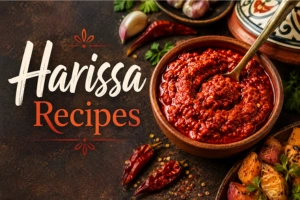
If you’ve never cooked with harissa before, you’re seriously missing out. This bold, smoky, spicy paste from North Africa is one of those ingredients that makes everything it touches taste ten times better. It comes together from a blend of roasted red chilies, garlic, olive oil, and warm spices like cumin, coriander, and caraway seeds, and the result is something deeply flavored, a little fiery, and incredibly versatile. Whether you’re cooking chicken, making pasta, roasting vegetables, grilling lamb, or whipping up a quick breakfast, harissa has a place in every single one of those dishes.
In this post, I’m walking you through five of the best harissa recipes you can make at home, each one simple, packed with flavor, and easy enough for any night of the week. Let’s get into it.
1. Harissa Honey Chicken
This is the kind of chicken recipe that makes everyone at the table stop talking and just eat. The combination of spicy harissa and sweet honey creates a sticky, caramelized coating on the chicken that is absolutely addictive. It’s smoky, it’s bold, it has just the right kick, and the honey pulls it all back into balance so it doesn’t overwhelm. This harissa chicken recipe is easy: just get the chicken soaking in a bath of sweet and spicy flavor, then bake on a sheet tray until juicy and perfectly charred at the edges. It’s a proper weeknight win that also looks impressive enough to serve at a dinner party.
Ingredients
You will need 6 to 8 bone-in, skin-on chicken thighs. For the marinade, get 3 tablespoons of harissa paste, 2 tablespoons of honey, 2 tablespoons of olive oil, the juice of one lemon, 3 cloves of minced garlic, 1 teaspoon of smoked paprika, 1 teaspoon of ground coriander, half a teaspoon of ground cumin, and salt and black pepper to taste. These ingredients are all you need for a dish that tastes like it took way more effort than it actually did.
Step 1 – Make the Marinade
Start by grabbing a bowl large enough to fit all your chicken. Add in the harissa paste, honey, olive oil, lemon juice, minced garlic, smoked paprika, coriander, cumin, salt, and pepper. Give everything a good whisk until it comes together into a smooth, fragrant marinade. Taste it at this point. It should be a little spicy, a little sweet, and smell amazing. If you want more heat, add a little extra harissa. If you want it milder, add another drizzle of honey to bring the spice down.
Step 2 – Coat the Chicken and Marinate
Pat your chicken thighs completely dry with a paper towel before you do anything else. This is really important because dry chicken absorbs the marinade much better and will also get that gorgeous caramelized skin in the oven. In a large bowl, combine the olive oil, harissa, garlic, paprika, cumin, salt and pepper. Add the chicken to the spice mixture. Use your hands to rub the marinade all over every surface of each thigh, making sure nothing is left bare. Place the chicken in a zip-lock bag or cover the bowl tightly with plastic wrap and put it in the fridge. Let it marinate for at least 30 minutes, though an hour or longer will give you noticeably better results.
Step 3 – Preheat the Oven
When you’re ready to cook, take the chicken out of the fridge about 15 minutes before it goes into the oven so it can come closer to room temperature. This helps the chicken cook more evenly throughout. Preheat your oven to 425°F (220°C). Line a large baking sheet with foil or parchment paper for easy cleanup and place a wire rack on top if you have one. The rack lets the heat circulate all around the chicken, giving you crispier skin on every side.
Step 4 – Arrange and Bake
Place your marinated chicken thighs on the prepared baking sheet, skin side up. Make sure they’re in a single layer with a little space between each piece. Scrape any extra marinade from the bowl and spoon it over the tops of the chicken pieces so none of that flavor goes to waste. Slide the tray into the hot oven and bake for 35 to 40 minutes. You’re looking for the skin to be deeply golden, slightly charred at the edges, and the internal temperature of the meat to reach at least 165°F (74°C) when checked with a thermometer.
Step 5 – Rest and Serve
Once the chicken is out of the oven, resist the urge to cut into it right away. Let it rest on the tray for about 5 minutes so the juices settle back into the meat. This step makes a real difference in how juicy each bite is. Serve the chicken over steamed rice, couscous, or with warm flatbread on the side. A little plain yogurt or a squeeze of fresh lemon over the top right before serving cuts through the richness and pulls everything together beautifully.
2. Creamy Harissa Pasta
This is a pasta dish that will genuinely surprise you. It’s bold, it’s spicy, and it has this rich, creamy sauce that clings to every piece of pasta in the most satisfying way. Think of it as a vodka pasta, with a smokier, deeper flavor profile. It comes together in about 30 minutes, uses ingredients you likely already have, and is the kind of thing you’ll want to make on repeat. This easy Harissa Pasta recipe is bold and spicy, with ground sausage, a creamy sauce and fresh herbs on top.
Ingredients
You will need 350 grams of spaghetti or penne pasta. For the sauce, get 2 tablespoons of olive oil, 1 medium onion finely chopped, 4 cloves of garlic minced, 3 tablespoons of harissa paste, 2 tablespoons of tomato paste, 1 cup of heavy cream, half a cup of reserved pasta water, 1 teaspoon of dried oregano, 1 teaspoon of dried basil, salt and black pepper to taste, and fresh parsley or basil to finish. You can also add 200 grams of Italian sausage or ground meat if you want to make it heartier.
Step 1 – Boil the Pasta
Fill a large pot with water, add a generous amount of salt (the water should taste like the sea), and bring it to a rolling boil. Boil the pasta in a large pot of salted water, cook al dente and drain, reserving a quarter cup of pasta water. The pasta water is important because the starch in it helps loosen and bind the sauce later on, so don’t forget to save it before you drain. Set the drained pasta aside and toss it with a splash of olive oil to keep it from sticking together while you work on the sauce.
Step 2 – Sauté the Aromatics
Heat 2 tablespoons of olive oil in a large, wide skillet over medium heat. Once the oil is warm, add your finely chopped onion along with a pinch of salt. Cook the onion, stirring occasionally, for about 5 to 6 minutes until it’s soft, translucent, and just starting to turn a light golden color. Then add your minced garlic and cook for another minute or so, stirring constantly so the garlic doesn’t burn. The moment it turns fragrant and golden is when you know it’s ready for the next step.
Step 3 – Build the Sauce
Add the harissa to the pan with the alliums, mixing to combine everything and bring to a simmer. Also stir in the tomato paste at this stage and cook everything together for about 2 minutes, letting the paste caramelize slightly in the pan. This step deepens the flavor and cooks out any raw edge from the tomato paste. You’ll notice the color deepen and the smell become rich and smoky. If you’re adding sausage or ground meat, cook it in the pan at this point too, breaking it up with a spoon until browned and cooked through.
Step 4 – Add Cream and Simmer
Add the cream to the sauté pan and mix in to combine. Sprinkle in the basil and parsley. Season to taste with salt and pepper. Let the sauce simmer gently over medium-low heat for about 5 minutes, stirring occasionally, until it thickens slightly and everything has come together into a smooth, glossy sauce. If it looks too thick, pour in a little of that reserved pasta water to loosen it up to the consistency you like. Taste and adjust the seasoning now since this is your last chance before the pasta goes in.
Step 5 – Toss the Pasta and Serve
Add your drained pasta directly into the skillet with the sauce. Toss everything together thoroughly so every strand or piece is well coated. If you need to loosen the sauce, add some of the reserved pasta water, a little at a time until it’s at the desired consistency. Plate it up immediately and finish with fresh chopped parsley or basil, a drizzle of good olive oil, and some grated Parmesan if you like. Serve right away while it’s hot and the sauce is at its creamiest.
3. Harissa Roasted Vegetables
Sometimes the simplest recipes are the most satisfying, and this one is proof of that. A big tray of vegetables tossed in harissa and roasted at high heat until golden, caramelized, and slightly crispy at the edges is one of those things that works for any occasion. It’s a great side dish, but honestly it’s hearty enough to be the main event with some rice or couscous alongside. Harissa is a red chili paste common in North African and Middle Eastern cooking. It has a rich, spicy, smoky, peppery flavor that is so delicious and elevates whatever it is paired with.
Ingredients
You will need a mix of your favorite vegetables. A great combination is 2 medium sweet potatoes peeled and cubed, 1 head of cauliflower cut into florets, 2 medium carrots cut into chunks, 1 red bell pepper sliced, and 1 red onion cut into wedges. For the harissa coating, you’ll need 3 tablespoons of harissa paste, 3 tablespoons of olive oil, salt and black pepper to taste, and 1 teaspoon of cumin if you want extra warmth. For serving, a drizzle of tahini or a quick yogurt sauce works beautifully on top.
Step 1 – Preheat the Oven and Prep the Veggies
Start by preheating your oven to 425°F (220°C). While the oven is heating up, prep all your vegetables so they’re cut into similar-sized pieces. This is actually really important because if some pieces are much larger than others, they won’t all finish cooking at the same time. Make sure you cut the vegetables to be the same size so they can roast at an equal pace. Also, pat all your vegetables dry with a paper towel before you season them. Dry vegetables roast and caramelize properly, while wet vegetables end up steaming in the oven and turning mushy instead of getting those gorgeous golden edges.
Step 2 – Make the Harissa Coating
In a small bowl, mix together the olive oil and harissa. Add a generous pinch of salt and black pepper, and stir everything together until you have a smooth, well-combined paste. This coating is what gives the vegetables their bold flavor and that deep, rusty color that makes them look so beautiful when they come out of the oven. Taste the mixture before it goes on the vegetables. It should be bold and slightly spicy since the vegetables will absorb and mellow the flavor as they roast.
Step 3 – Coat the Vegetables
Add all the ingredients to a large bowl, and toss to combine and coat the veggies. Pour the harissa and oil mixture over the vegetables and use your hands to get everything properly coated. Don’t be shy here, get in there and make sure every single piece has harissa all over it. If any vegetable is left bare, it won’t have the same flavor or color as the rest. Once everything is well coated, you’re ready to transfer to the pan.
Step 4 – Roast to Perfection
Spread the coated vegetables in a single layer across one or two large baking sheets. The most important thing here is not to overcrowd the pan. Use a large sheet pan and make sure you have enough room to spread the veggies out evenly, leaving a little space between each piece. Work in batches if needed. Slide the trays into the oven and roast for about 25 to 30 minutes. Halfway through the cooking time, take the trays out and flip the vegetables so they get color on multiple sides. Return to the oven and continue roasting until the edges are deeply golden and slightly caramelized.
Step 5 – Serve with Sauce
Once the vegetables come out of the oven, transfer them to a serving plate or bowl. While the veggies cook, make a tahini yogurt sauce by whisking together yogurt, tahini, garlic, and lemon juice, and season to taste with salt. Thin with water as needed to reach your desired consistency. Drizzle this sauce over the hot vegetables before serving, or serve it on the side for dipping. A handful of fresh herbs like parsley, mint, or cilantro scattered on top right before serving adds a freshness that balances the heat of the harissa perfectly.
4. Harissa Lamb Chops
If you want to make something that feels genuinely special without spending hours in the kitchen, this is the recipe. Lamb and harissa are one of those pairings that just makes complete sense. The richness of the meat and the bold, smoky spice of the harissa complement each other so naturally, and when you add garlic, lemon, and a little time to marinate, the result is something that tastes like it came from a really good restaurant. These lamb chops are flavor-packed but not overwhelming and are a real crowd pleaser.
Ingredients
You will need 8 lamb loin chops or shoulder chops, about an inch thick. For the marinade, gather 3 tablespoons of harissa paste, 3 tablespoons of olive oil, the juice and zest of 1 lemon, 3 cloves of garlic minced, 1 teaspoon of ground cumin, 1 teaspoon of ground coriander, half a teaspoon of ground cinnamon, salt and freshly cracked black pepper to taste. For serving, prepare a simple yogurt sauce with plain Greek yogurt, a little lemon juice, garlic, and fresh mint or parsley stirred through.
Step 1 – Mix the Marinade
In a bowl or zip-top bag, mix together the harissa, garlic, lemon zest and juice, olive oil, and a big pinch of salt. Also add in your cumin, coriander, and cinnamon and stir everything together until it’s completely combined. The marinade should smell absolutely incredible at this point, warm and citrusy and a little smoky. Give it a taste and adjust the salt or harissa level to your preference before the lamb goes in. This marinade is what’s going to build all the flavor in the meat, so take a moment to get it right.
Step 2 – Marinate the Lamb
Add the lamb chops and coat well. Let marinate at least 30 minutes or up to overnight in the fridge. The longer you let it sit, the deeper the flavor penetration. If you’re planning a dinner party, marinating overnight is the move since the lamb will be packed with flavor through and through. If you’re short on time, even 30 minutes at room temperature makes a significant difference compared to cooking the chops with no marinade at all. Before you cook, take the lamb out of the fridge and let it sit at room temperature for at least 15 minutes. Cold meat going straight onto a hot grill or pan causes uneven cooking.
Step 3 – Prepare Your Cooking Surface
Heat a grill or cast iron skillet over medium-high heat. You want it genuinely hot before the lamb goes on. If you’re using a skillet, add a thin film of oil and let it heat until it just begins to smoke. If you’re using an outdoor grill, make sure the grates are clean and well-oiled so the chops don’t stick. A hot cooking surface is what gives you that beautiful caramelized crust on the outside while keeping the inside juicy and pink, so don’t rush this step.
Step 4 – Cook the Lamb
Remove the lamb chops from the marinade, wiping off any excess to prevent burning. Season both sides with a little extra salt and pepper. Grill or sear 4 to 6 minutes per side, depending on thickness, until deeply caramelized and cooked to your desired doneness. For medium-rare, aim for an internal temperature of 145°F (63°C). For medium, go to about 160°F (71°C). Don’t move the chops around too much while they’re cooking. Let them sit undisturbed on each side so a proper crust develops rather than steaming on the pan.
Step 5 – Rest and Serve
Let rest for 5 minutes, then slice or serve whole. Sprinkle with herbs if using. While the lamb rests, quickly stir together your yogurt sauce in a small bowl. Spoon the yogurt onto a platter, lay the lamb chops on top, and scatter fresh herbs like mint or parsley over everything. A few lemon wedges on the side for squeezing are a lovely finishing touch. Serve immediately with warm flatbread or rice pilaf and watch the plate disappear.
5. Harissa Shakshuka
Shakshuka is one of those dishes that works at any time of day. Eggs poached right in a rich, spiced tomato sauce and served with crusty bread for scooping, it’s easy, it’s cheap, it’s deeply satisfying, and adding harissa takes it from already-great to next-level. This twist on shakshuka features a harissa-spiced sauce, fresh spinach, and is great for breakfast or brunch. It’s also a brilliant option for a quick dinner when you don’t know what to cook. One pan, pantry ingredients, and 30 minutes is all you need.
Ingredients
You will need 4 to 6 large eggs. For the sauce, gather 2 tablespoons of olive oil, 1 medium onion finely chopped, 1 large red bell pepper thinly sliced, 4 cloves of garlic minced, 2 tablespoons of harissa paste, 1 can (400 grams) of crushed tomatoes, 1 teaspoon of smoked paprika, 1 teaspoon of ground cumin, half a teaspoon of cayenne pepper if you like extra heat, salt and black pepper to taste, and a big handful of fresh spinach if you want to add greens. For finishing, crumbled feta cheese, fresh parsley or cilantro, and good crusty bread or pita to serve alongside.
Step 1 – Cook the Aromatics
Heat the oil over medium heat in a large lidded skillet. Add the onion, red pepper, salt, and several grinds of fresh pepper and cook until the onion is soft and translucent, 6 to 8 minutes. Stir occasionally so nothing sticks or burns at the bottom. You want the onion and pepper to become genuinely soft and sweet at this stage because they form the base of the entire sauce. Rushing this step leaves you with a sauce that doesn’t have the same depth, so give the vegetables the time they need.
Step 2 – Add the Spices and Garlic
Reduce the heat to medium-low and add the garlic, paprika, cumin, and cayenne if using. Stir and let cook for about 30 seconds. This brief cooking of the spices in the oil is called blooming, and it makes a huge difference in flavor. The heat opens up the spice molecules and makes them far more fragrant and powerful than they would be if you just stirred them into liquid. Keep stirring continuously during this half-minute so the garlic doesn’t scorch, since burnt garlic will make the whole dish taste bitter.
Step 3 – Add Tomatoes and Harissa
Then add the tomatoes and harissa paste. Simmer for 15 minutes until the sauce is thickened. Stir everything together well so the harissa is completely incorporated into the tomato base. As the sauce simmers, it will reduce and concentrate, becoming thicker and more flavorful. Stir it every few minutes and break up any large chunks of tomato with the back of your spoon. By the end of 15 minutes, you should have a rich, glossy, deeply colored sauce that smells absolutely incredible. Taste and adjust the salt and spice level now before the eggs go in.
Step 4 – Add Spinach and Create Wells for the Eggs
If you’re using spinach, stir it into the sauce now and let it wilt for about a minute. It’ll reduce down significantly in volume once the heat hits it. Then comes the most satisfying step: use the back of a spoon to make 3 to 5 wells in the sauce. Crack in the eggs. Try to keep the wells spaced apart so the eggs have room to cook without running into each other. If you want the whites to cook a little faster, spoon some tomato sauce over the whites of the eggs to cover them; this helps the whites cook faster while the yolks stay soft.
Step 5 – Cover, Cook, and Serve
Cover and cook until the eggs are set, 5 to 8 minutes. The timing will depend entirely on how you like your egg yolks. For runny yolks, pull it off the heat closer to 5 minutes. For firmer yolks, go up to 8 or even 10 minutes. Keep a close eye on it in the last couple of minutes because they can go from perfectly runny to fully set very quickly. Once the eggs are done to your liking, take the pan off the heat and scatter crumbled feta, fresh parsley or cilantro over the top, and finish with a drizzle of olive oil. Bring the whole pan to the table and serve straight from it with plenty of warm bread for scooping up every last bit of that sauce.
Final Thoughts
Harissa is one of those ingredients that once you start cooking with it, you’ll wonder how you ever managed without it. Harissa is a spicy pepper paste from Tunisia that adds bold flavors to many dishes, and it can spice up dishes like tagines, sandwiches, and even classic breakfasts like scrambled eggs. Whether you’re using it as a marinade, stirring it into a sauce, or roasting vegetables in it, the smoky depth and gentle heat it brings is unlike anything else. The five recipes in this post are a great starting point, but once you get comfortable with harissa, you’ll find yourself adding it to everything. Start with whichever recipe speaks to you most and go from there. You really can’t go wrong.