
Table of Contents
Silk Almond Milk Nutrition: Everything You Need to Know About This Popular Dairy Alternative
Have you ever wondered what makes Silk almond milk such a popular choice among health-conscious consumers? You’re not alone! As more people seek dairy alternatives, understanding the nutritional profile of products like Silk almond milk becomes crucial for making informed dietary decisions.
Silk almond milk has revolutionized the plant-based milk industry, offering a creamy, versatile alternative that’s captured the attention of vegans, lactose-intolerant individuals, and anyone looking to diversify their nutritional intake. But what exactly does this popular beverage bring to your table nutritionally?
What is Silk Almond Milk?
Silk almond milk represents one of the most recognizable brands in the plant-based milk market. This dairy alternative is crafted from ground almonds and water, creating a smooth, creamy beverage that mimics the texture and versatility of traditional dairy milk.
Understanding the Manufacturing Process
The creation of Silk almond milk involves a sophisticated process that begins with carefully selected almonds. These nuts are ground and blended with filtered water, then strained to remove solid particles. The result is a smooth, white liquid that forms the base of the product.
What sets Silk apart from homemade almond milk is the fortification process. The company adds essential vitamins and minerals to enhance the nutritional value, making it more comparable to dairy milk in terms of certain nutrients. This fortification process is what gives Silk almond milk its distinctive nutritional profile.
Complete Nutritional Breakdown of Silk Almond Milk
Understanding the nutritional content of Silk almond milk is essential for anyone considering incorporating it into their diet. Let’s dive deep into what a typical 8-ounce serving contains.
Calories and Macronutrients Breakdown
A standard 8-ounce serving of original Silk almond milk contains approximately 60 calories, making it significantly lower in calories than whole dairy milk, which contains around 150 calories per serving. This caloric difference makes it an attractive option for those managing their weight.
The macronutrient profile shows 2.5 grams of fat, 8 grams of carbohydrates, and 1 gram of protein per serving. The fat content consists primarily of healthy unsaturated fats derived from almonds, while the carbohydrate content includes both natural sugars and added sweeteners in flavored varieties.
Carbohydrate Content Analysis
The carbohydrate content in Silk almond milk varies depending on the variety you choose. Original Silk almond milk contains about 7 grams of sugar per serving, while the unsweetened version contains less than 1 gram. This significant difference makes the unsweetened variety more suitable for those monitoring their sugar intake or following low-carb diets.
Essential Vitamins and Minerals Content
Silk almond milk truly shines in its vitamin and mineral content, thanks to strategic fortification. Each serving provides 45% of the daily value for calcium, making it comparable to dairy milk in this essential mineral. The calcium used in fortification is typically calcium carbonate, which provides excellent bioavailability.
The vitamin profile is equally impressive. Silk almond milk contains 25% of the daily value for vitamin D, a nutrient often lacking in many diets. It also provides 50% of the daily value for vitamin B12, making it particularly valuable for vegans who might otherwise struggle to get adequate amounts of this essential vitamin.
Fortification Benefits
The fortification process sets Silk almond milk apart from many homemade alternatives. Beyond calcium, vitamin D, and B12, many varieties include vitamin A and vitamin E. Vitamin E, naturally present in almonds, acts as a powerful antioxidant that supports immune function and skin health.
Vitamin D and B12 Supplementation
The inclusion of vitamin D in Silk almond milk addresses a common nutritional gap in many diets. Vitamin D supports bone health, immune function, and mood regulation. Similarly, vitamin B12 fortification makes this plant-based milk an excellent choice for vegetarians and vegans who need to ensure adequate intake of this crucial vitamin for nerve function and red blood cell formation.
Health Benefits of Silk Almond Milk
The nutritional profile of Silk almond milk translates into several potential health benefits that make it an attractive dietary choice for many individuals.
Heart Health and Cholesterol
One of the most significant advantages of Silk almond milk is its impact on cardiovascular health. Unlike dairy milk, it contains zero cholesterol and is low in saturated fat. The unsaturated fats present can actually help improve cholesterol profiles when consumed as part of a balanced diet.
The natural vitamin E content acts as an antioxidant, potentially protecting against oxidative stress that can contribute to heart disease. Additionally, the lower calorie content compared to whole milk can support weight management, which is beneficial for overall cardiovascular health.
Bone Health and Calcium Content
Despite being plant-based, Silk almond milk provides excellent calcium content through fortification. The 45% daily value per serving rivals that of dairy milk, making it an effective alternative for maintaining bone health. The addition of vitamin D enhances calcium absorption, creating a synergistic effect that supports bone density.
Calcium Absorption Rates
Research suggests that the calcium in fortified plant-based milks like Silk almond milk can be absorbed at rates comparable to dairy milk. The key is ensuring adequate vitamin D intake, which Silk almond milk provides through fortification.
Weight Management Properties
With only 60 calories per serving in the original variety and even fewer in unsweetened versions, Silk almond milk can be an excellent tool for weight management. The lower calorie density allows you to enjoy the creamy texture and versatility of milk while maintaining caloric goals.
The protein content, while lower than dairy milk, still provides some satiety benefits. When combined with the healthy fats from almonds, Silk almond milk can help you feel satisfied without excessive calories.
Comparing Silk Almond Milk to Other Plant-Based Alternatives
Understanding how Silk almond milk stacks up against other plant-based options helps you make the best choice for your nutritional needs.
Silk Almond Milk vs. Dairy Milk
When comparing Silk almond milk to traditional dairy milk, several key differences emerge. Dairy milk contains significantly more protein (8 grams vs. 1 gram per serving) and natural sugars from lactose. However, Silk almond milk provides comparable calcium levels through fortification while offering fewer calories and no cholesterol.
The vitamin profiles also differ significantly. While dairy milk naturally contains some B vitamins and vitamin A, Silk almond milk’s fortification provides higher levels of vitamin D and B12, making it potentially superior for these nutrients.
Silk Almond Milk vs. Oat Milk
Oat milk has gained popularity recently, but how does it compare nutritionally to Silk almond milk? Oat milk typically contains more calories (around 80-120 per serving) and carbohydrates due to its grain base. It also provides more protein than almond milk but less than dairy milk.
From a fiber perspective, oat milk offers more dietary fiber, while Silk almond milk provides more vitamin E and healthy fats. The choice between them often comes down to personal taste preferences and specific nutritional goals.
Different Varieties of Silk Almond Milk and Their Nutritional Differences
Silk offers several varieties of almond milk, each with distinct nutritional profiles to meet different dietary needs and preferences.
Unsweetened Silk Almond Milk Benefits
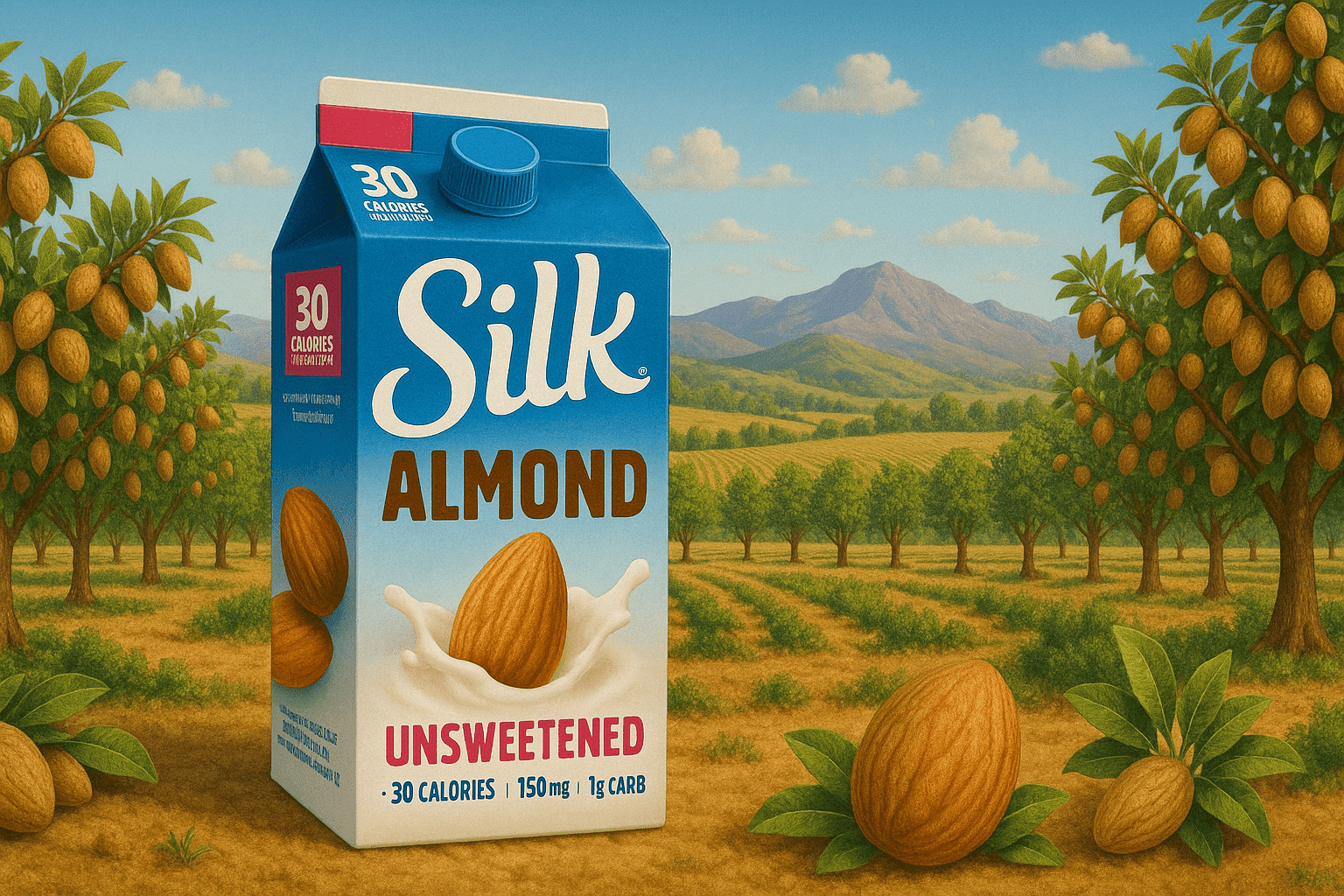
Unsweetened Silk almond milk contains only 30-40 calories per serving and less than 1 gram of sugar. This makes it ideal for those following ketogenic diets, managing diabetes, or simply trying to reduce sugar intake. The unsweetened version maintains all the fortification benefits while eliminating added sugars.
Vanilla Silk Almond Milk Nutritional Profile
Vanilla Silk almond milk typically contains around 80 calories per serving due to added natural flavors and sweeteners. While higher in calories and sugar than the unsweetened version, it still provides the same vitamin and mineral fortification, making it a flavorful option that’s still nutritionally beneficial.
The original variety falls between these two extremes, offering a balance of taste and nutritional value that appeals to many consumers making the transition from dairy milk.
Who Should Consider Drinking Silk Almond Milk?
Several groups of people can particularly benefit from incorporating Silk almond milk into their diets.
Lactose Intolerant Individuals
For the approximately 65% of adults worldwide who experience lactose intolerance, Silk almond milk provides an excellent dairy alternative. It offers the creamy texture and versatility of milk without the digestive discomfort associated with lactose consumption.
Vegan and Plant-Based Dieters
Vegans and those following plant-based diets find Silk almond milk invaluable for its B12 and vitamin D fortification. These nutrients can be challenging to obtain from plant sources alone, making fortified almond milk an important dietary component.
People with Nut Allergies (Considerations)
While almonds are tree nuts, some individuals with other nut allergies may tolerate almond milk well. However, anyone with tree nut allergies should consult healthcare providers before incorporating almond milk into their diet, as cross-reactivity can occur.
Potential Drawbacks and Considerations
While Silk almond milk offers many benefits, it’s important to understand potential limitations.
Low Protein Content
The most significant nutritional limitation of Silk almond milk is its low protein content. With only 1 gram per serving compared to dairy milk’s 8 grams, those relying heavily on milk as a protein source may need to seek additional protein elsewhere in their diet.
Added Sugars in Sweetened Varieties
Sweetened varieties of Silk almond milk contain added sugars that contribute to the overall carbohydrate content. While these amounts are generally moderate, individuals monitoring sugar intake should opt for unsweetened varieties.
Environmental Impact
While generally more environmentally friendly than dairy milk, almond production does require significant water resources. However, the overall environmental footprint remains lower than dairy production when considering factors like greenhouse gas emissions and land use.
How to Incorporate Silk Almond Milk into Your Diet
Integrating Silk almond milk into your daily routine is simple and versatile.
Creative Recipe Ideas
Silk almond milk works excellently in smoothies, providing creaminess without overwhelming flavors. It’s perfect for cereal, coffee drinks, and baking applications. Many people find it makes exceptional overnight oats and can be used in both sweet and savory recipes.
For those new to plant-based milk, starting with vanilla or original varieties in familiar applications like cereal or coffee can ease the transition. As your palate adjusts, you might prefer the clean taste of unsweetened varieties.
Storage and Shelf Life Tips
Unopened Silk almond milk can be stored at room temperature until the expiration date. Once opened, it should be refrigerated and consumed within 7-10 days. Always shake well before use, as separation is natural and doesn’t indicate spoilage.
Conclusion
Silk almond milk represents an excellent nutritional choice for many individuals seeking a dairy alternative. With its impressive fortification profile providing essential vitamins and minerals, low calorie content, and heart-healthy properties, it offers significant benefits for various dietary needs.
While it may not match dairy milk’s protein content, its calcium, vitamin D, and B12 levels make it nutritionally comparable in many ways. The variety of options available ensures there’s a Silk almond milk variant suitable for different taste preferences and dietary requirements.
Whether you’re lactose intolerant, following a plant-based diet, or simply exploring healthier beverage options, Silk almond milk provides a nutritious, versatile choice that can easily integrate into your daily routine. Understanding its nutritional profile empowers you to make informed decisions that support your health goals while enjoying a delicious, satisfying dairy alternative.
Frequently Asked Questions
1. How much protein does Silk almond milk contain compared to regular milk?
Silk almond milk contains only 1 gram of protein per 8-ounce serving, while regular dairy milk contains approximately 8 grams. This makes dairy milk a significantly better protein source, though almond milk excels in other nutritional areas like lower calories and added vitamins.
2. Is Silk almond milk suitable for people with diabetes?
Unsweetened Silk almond milk can be suitable for people with diabetes due to its low carbohydrate content (less than 1 gram of sugar per serving). However, sweetened varieties contain more carbohydrates and should be consumed in moderation. Always consult with healthcare providers for personalized dietary advice.
3. Can children drink Silk almond milk as a replacement for regular milk?
While Silk almond milk provides excellent calcium and vitamin fortification, its low protein content makes it less ideal as a complete milk replacement for growing children. It can be part of a balanced diet, but children may need additional protein sources to meet their developmental needs.
4. How long does opened Silk almond milk last in the refrigerator?
Once opened, Silk almond milk should be consumed within 7-10 days when stored properly in the refrigerator. Always check for signs of spoilage such as off odors, unusual texture, or curdling before consumption, regardless of the timeframe.
5. Does Silk almond milk provide the same calcium absorption as dairy milk?
Yes, studies suggest that the calcium in fortified Silk almond milk is absorbed at rates comparable to dairy milk, especially when vitamin D is present (which Silk includes through fortification). The combination of calcium and vitamin D in Silk almond milk creates optimal conditions for calcium absorption.