
Table of Contents
The Complete Guide to Costco Rotisserie Chicken Nutrition: Everything You Need to Know
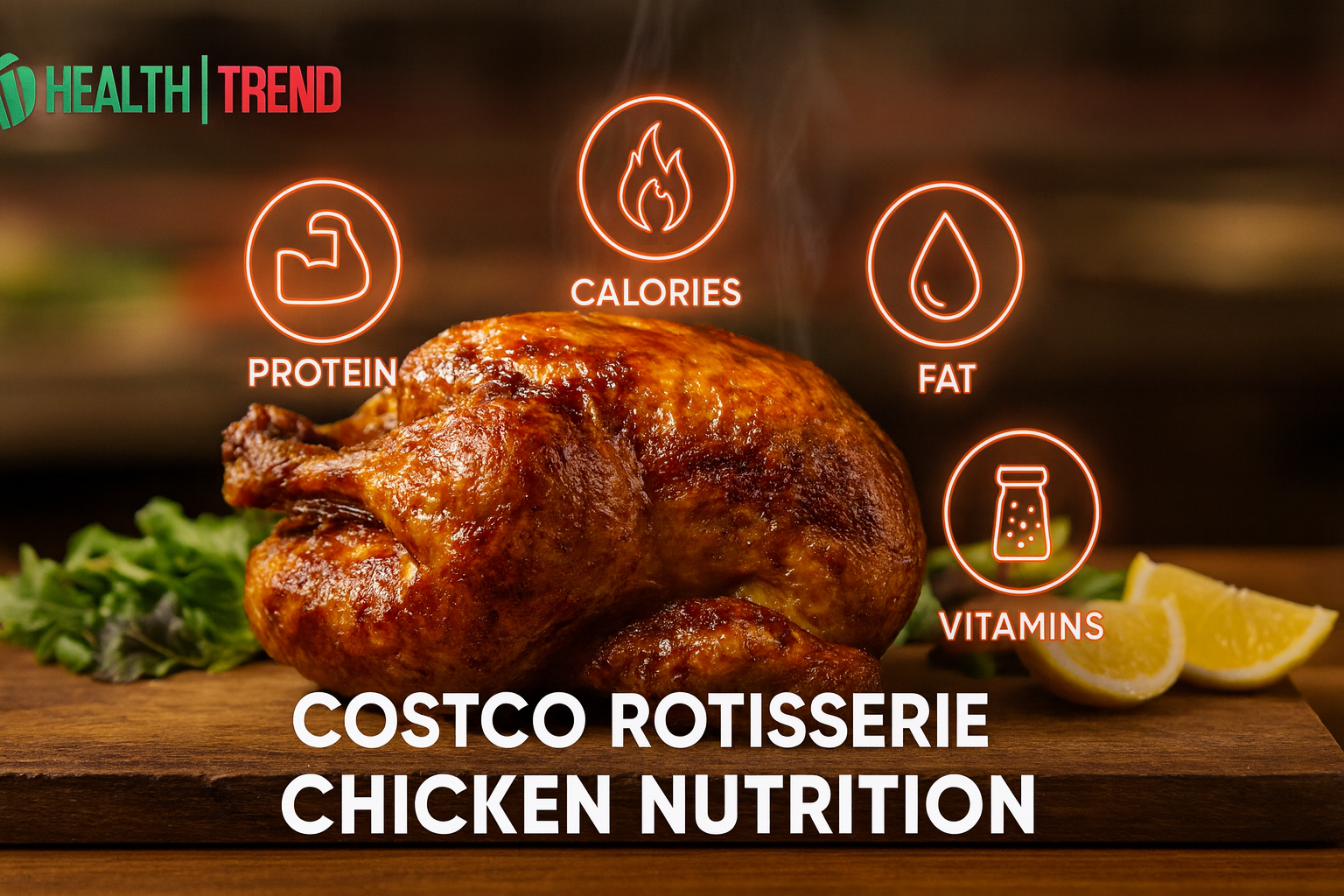
Costco’s famous rotisserie chicken has become a household staple for millions of families worldwide. At just $4.99, this golden, perfectly seasoned whole chicken offers exceptional value and convenience. But beyond its affordability and taste, many health-conscious consumers want to understand the complete nutritional profile of this popular protein source.
Whether you’re tracking macros for fitness goals, managing specific dietary requirements, or simply wanting to make informed food choices for your family, understanding Costco rotisserie chicken nutrition is essential. This comprehensive guide breaks down everything from calories and protein content to ingredient analysis and diet compatibility.
Costco Rotisserie Chicken Nutrition Facts Breakdown:
Complete Nutritional Profile:
A standard Costco rotisserie chicken weighs approximately 3 pounds and provides substantial nutritional value. Here’s the detailed costco rotisserie chicken nutrition facts per 3-ounce (85g) serving of meat without skin:
Macronutrients:
- Calories: 140.
- Protein: 25 grams.
- Total Fat: 4 grams.
- Saturated Fat: 1 gram.
- Carbohydrates: 0 grams.
- Fiber: 0 grams.
- Sugar: 0 grams.
Essential Micronutrients:
- Sodium: 460mg (20% DV).
- Potassium: 220mg.
- Calcium: 15mg.
- Iron: 1mg.
- Vitamin A: 2% DV.
- Vitamin C: 0% DV.
Costco Rotisserie Chicken Calories Per Serving:
The costco rotisserie chicken calories per serving vary depending on which part of the chicken you consume and whether you include the skin. A typical 3-ounce serving of white meat without skin contains approximately 140 calories, while the same portion of dark meat provides about 165 calories.
When including the skin, these numbers increase significantly:
- White meat with skin: 190 calories per 3 oz.
- Dark meat with skin: 215 calories per 3 oz.
For meal planning purposes, most adults can expect to consume between 4-6 ounces per serving, translating to roughly 185-280 calories for skinless portions.
Protein Content and Muscle Building Benefits:
Costco Rotisserie Chicken Protein Content Analysis:
One of the most impressive aspects of Costco rotisserie chicken nutrition is its exceptional protein density. The costco rotisserie chicken protein content provides 25 grams of complete protein per 3-ounce serving, making it an excellent choice for muscle building and recovery.
This high-quality protein contains all nine essential amino acids your body cannot produce on its own. The biological value of chicken protein ranks among the highest of all protein sources, with excellent absorption and utilization rates.
Protein Benefits Include:
- Supports muscle growth and repair.
- Enhances satiety and weight management.
- Maintains healthy metabolism.
- Supports immune function.
- Aids in hormone production.
Costco Rotisserie Chicken Muscle Building Potential:
For fitness enthusiasts and athletes, costco rotisserie chicken muscle building benefits are substantial. The lean protein profile supports post-workout recovery and provides the building blocks necessary for muscle protein synthesis.
Research shows that consuming 20-25 grams of high-quality protein per meal optimizes muscle protein synthesis. A single serving of Costco rotisserie chicken meets this threshold perfectly, making it an ideal post-workout meal option.
Sodium Levels and Heart Health Considerations:
Understanding Costco Rotisserie Chicken Sodium Levels:
One area where Costco rotisserie chicken nutrition requires attention is sodium content. The costco rotisserie chicken sodium levels are notably high at 460mg per 3-ounce serving, representing about 20% of the recommended daily intake.
This elevated sodium primarily comes from the seasoning blend and preparation process. While this enhances flavor and helps preserve the chicken, individuals following low-sodium diets should be mindful of portion sizes and daily sodium intake.
Managing Sodium Intake:
- Remove skin to reduce sodium by approximately 15%.
- Balance with low-sodium sides and vegetables.
- Monitor total daily sodium consumption.
- Consider rinsing chicken lightly if following strict low-sodium protocols.
Costco Rotisserie Chicken Heart Health Impact:
Despite higher sodium levels, costco rotisserie chicken heart health benefits shouldn’t be overlooked. The lean protein profile, when consumed as part of a balanced diet, supports cardiovascular wellness through:
- High-quality protein that doesn’t raise cholesterol.
- Selenium content supporting antioxidant function.
- Niacin (Vitamin B3) promoting healthy circulation.
- Phosphorus supporting heart muscle function.
Carbohydrate Content and Diet Compatibility:
Costco Rotisserie Chicken Carbs Analysis:
One of the most diet-friendly aspects of Costco rotisserie chicken nutrition is its carbohydrate profile. The costco rotisserie chicken carbs content is essentially zero, making it compatible with numerous eating plans focused on carbohydrate restriction.
This zero-carb profile makes Costco rotisserie chicken an excellent choice for various dietary approaches:
Costco Rotisserie Chicken Keto Diet Compatibility:
For those following ketogenic eating plans, costco rotisserie chicken keto diet suitability is excellent. The high-fat content (especially with skin), moderate protein, and zero carbohydrates align perfectly with ketogenic macronutrient ratios.
Keto-Friendly Serving Suggestions:
- Include skin for additional healthy fats.
- Pair with avocado, leafy greens, or nuts.
- Use in keto-friendly chicken salad recipes.
- Combine with low-carb vegetables.
Other Diet Compatibility Options:
Costco Rotisserie Chicken Paleo Diet: The costco rotisserie chicken paleo diet compatibility is generally good, though ingredient scrutiny is important. While chicken itself is paleo-compliant, some seasonings may contain non-paleo ingredients.
Costco Rotisserie Chicken Whole30 Compliant: Determining if costco rotisserie chicken whole30 compliant requires careful ingredient analysis. Traditional Costco rotisserie chickens contain some additives that may not align with Whole30 guidelines.
Fat Content and Healthy Fats Analysis:
Costco Rotisserie Chicken Fat Content Breakdown:
The costco rotisserie chicken fat content provides essential fatty acids while maintaining a relatively lean profile. A 3-ounce serving without skin contains approximately 4 grams of fat, with only 1 gram of saturated fat.
Fat Distribution:
- Monounsaturated fats: 1.5 grams.
- Polyunsaturated fats: 1 gram.
- Saturated fats: 1 gram.
- Trans fats: 0 grams.
This favorable fat profile supports hormone production, vitamin absorption, and overall cellular health while keeping saturated fat intake moderate.
Costco Rotisserie Chicken Skin Nutrition Considerations:
The costco rotisserie chicken skin nutrition significantly changes the fat profile. While skin adds flavor and moisture, it also increases calories and fat content substantially.
With Skin vs. Without Skin (per 3 oz):
- Calories: 190 vs 140.
- Total Fat: 11g vs 4g.
- Saturated Fat: 3g vs 1g.
For those managing weight or following heart-healthy diets, removing skin reduces calories by approximately 25% while maintaining protein content.
Vitamins and Minerals Profile:
Costco Rotisserie Chicken Vitamins Minerals Content:
The costco rotisserie chicken vitamins minerals profile provides several essential micronutrients that support overall health and wellness.
Key Vitamins:
- Niacin (Vitamin B3): Supports energy metabolism.
- Vitamin B6: Essential for brain function.
- Vitamin B12: Crucial for nerve function and red blood cell formation.
- Pantothenic Acid: Supports hormone synthesis.
Essential Minerals:
- Selenium: Powerful antioxidant properties.
- Phosphorus: Bone and teeth health.
- Potassium: Heart and muscle function.
- Zinc: Immune system support.
These micronutrients work synergistically to support various bodily functions, making Costco rotisserie chicken a nutritionally dense protein choice.
Health Benefits and Special Considerations:
Is Costco Rotisserie Chicken Healthy?
The question “is costco rotisserie chicken healthy” depends on individual dietary needs and consumption patterns. Overall, it provides excellent nutritional value with high-quality protein, essential vitamins, and minerals.
Health Advantages:
- Complete protein source with all essential amino acids.
- Rich in B-vitamins supporting energy metabolism.
- Contains selenium with antioxidant properties.
- Convenient, affordable protein option.
- Supports muscle maintenance and growth.
Potential Concerns:
- Higher sodium content requiring moderation.
- Processing and preservatives in commercial preparation.
- Potential for overconsumption due to convenience.
Costco Rotisserie Chicken Weight Loss Applications:
For weight management goals, costco rotisserie chicken weight loss benefits include high protein content that increases satiety and supports lean muscle maintenance during caloric restriction.
Weight Loss Benefits:
- High thermic effect of protein boosts metabolism.
- Promotes satiety and reduces overall caloric intake.
- Preserves lean muscle mass during weight loss.
- Provides sustained energy without blood sugar spikes.
Costco Rotisserie Chicken Pregnancy Nutrition:
During pregnancy, costco rotisserie chicken pregnancy nutrition can be beneficial when consumed safely. The high protein content supports fetal development, while B-vitamins aid in neural tube development.
Pregnancy Considerations:
- Ensure chicken is heated to 165°F internal temperature.
- Consume within recommended timeframes.
- Balance with other nutrient-dense foods.
- Monitor sodium intake for blood pressure management.
Ingredient Analysis and Food Safety:
Costco Rotisserie Chicken Ingredients List:
Understanding the costco rotisserie chicken ingredients list helps consumers make informed choices about food additives and potential allergens.
Typical Ingredients Include:
- Chicken.
- Water.
- Salt.
- Sodium phosphate.
- Modified food starch.
- Potato dextrin.
- Carrageenan.
- Sugar.
- Dextrose.
- Spice extractives.
Costco Rotisserie Chicken Preservatives and Additives:
The costco rotisserie chicken preservatives serve to maintain freshness and enhance flavor, though some consumers prefer to minimize processed food additives.
Common Preservatives:
- Sodium phosphate: Maintains moisture and texture.
- Modified food starch: Improves consistency.
- Carrageenan: Natural thickening agent.
Costco Rotisserie Chicken Gluten Free Status:
For those with celiac disease or gluten sensitivity, costco rotisserie chicken gluten free status is generally positive. The chicken itself contains no gluten, though cross-contamination during preparation is possible.
Gluten-Free Considerations:
- Seasonings and additives are typically gluten-free.
- Manufacturing facilities may process gluten-containing products.
- Always verify current ingredient labels for sensitive individuals.
Diet-Specific Applications:
Costco Rotisserie Chicken Diabetes Friendly Options:
For individuals managing diabetes, costco rotisserie chicken diabetes friendly characteristics include zero carbohydrates and high protein content that doesn’t spike blood glucose levels.
Diabetic Benefits:
- No impact on blood sugar levels.
- High protein supports stable energy.
- Can be paired with low-glycemic vegetables.
- Helps maintain healthy weight.
Costco Rotisserie Chicken Mediterranean Diet Integration:
The costco rotisserie chicken mediterranean diet compatibility works well when combined with olive oil, vegetables, and whole grains following Mediterranean eating principles.
Mediterranean Meal Ideas:
- Greek chicken salad with olive oil and herbs.
- Chicken with roasted vegetables and quinoa.
- Mediterranean chicken bowls with hummus and vegetables.
Costco Rotisserie Chicken Intermittent Fasting Applications:
For those practicing intermittent fasting, costco rotisserie chicken intermittent fasting benefits include high protein density that maximizes nutrition during eating windows.
Intermittent Fasting Benefits:
- Protein helps maintain muscle mass during fasting periods.
- High satiety supports extended fasting periods.
- Convenient preparation for time-restricted eating.
- Supports metabolic flexibility.
Comparison with Other Protein Sources:
Costco vs Grocery Store Rotisserie Chicken Nutrition:
When comparing costco vs grocery store rotisserie chicken nutrition, Costco consistently offers superior value and comparable nutritional profiles to other retailers.
Costco Advantages:
- Larger portion size for the same price point.
- Consistent quality and preparation standards.
- No antibiotics in feed (varies by supplier).
- Transparent ingredient listing.
Costco Rotisserie Chicken vs Grilled Chicken Nutrition:
The comparison between costco rotisserie chicken vs grilled chicken nutrition shows similar protein content, with grilled chicken typically containing less sodium and fewer additives.
Rotisserie vs Grilled Comparison (per 3 oz):
- Protein: 25g vs 26g.
- Calories: 140 vs 128.
- Sodium: 460mg vs 60mg.
- Fat: 4g vs 3g.
Costco Rotisserie Chicken vs Homemade Nutrition:
Comparing costco rotisserie chicken vs homemade nutrition reveals trade-offs between convenience and control over ingredients and sodium content.
Homemade Advantages:
- Complete control over seasonings and salt content.
- No preservatives or additives.
- Customizable preparation methods.
- Often lower sodium content.
Costco Advantages:
- Time-saving convenience.
- Consistent results.
- Cost-effective for busy families.
- Professional cooking techniques.
Meal Preparation and Storage:
Costco Rotisserie Chicken Meal Prep Nutrition:
For meal planning enthusiasts, costco rotisserie chicken meal prep nutrition makes it an excellent protein base for weekly meal preparation.
Meal Prep Applications:
- Portion into individual containers with vegetables.
- Use in multiple recipes throughout the week.
- Freeze portions for future use.
- Create diverse meal options from one chicken.
Costco Rotisserie Chicken Leftover Nutrition:
Maximizing costco rotisserie chicken leftover nutrition involves proper storage and creative recipe applications that maintain nutritional value.
Leftover Safety and Nutrition:
- Refrigerate within 2 hours of purchase.
- Use within 3-4 days for optimal nutrition and safety.
- Reheat to 165°F internal temperature.
- Incorporate into soups, salads, and casseroles.
Costco Rotisserie Chicken Reheating Nutrition:
Proper reheating techniques help preserve costco rotisserie chicken reheating nutrition while ensuring food safety.
Reheating Best Practices:
- Use low heat to prevent protein denaturation.
- Add moisture to prevent drying.
- Heat to 165°F internal temperature.
- Avoid multiple reheating cycles.
Creative Recipe Applications:
Costco Rotisserie Chicken Salad Nutrition:
Creating nutritious meals with costco rotisserie chicken salad nutrition allows for healthy, balanced meals with added vegetables and healthy fats.
Healthy Salad Combinations:
- Greek yogurt-based chicken salad.
- Avocado chicken salad with minimal mayo.
- Mediterranean chicken salad with olive oil.
- Asian-inspired chicken salad with sesame oil.
Costco Rotisserie Chicken Bone Broth Nutrition:
Don’t overlook the costco rotisserie chicken bone broth nutrition potential from the leftover bones and carcass.
Bone Broth Benefits:
- Rich in collagen and gelatin.
- Contains minerals like calcium and phosphorus.
- Supports joint and gut health.
- Provides additional protein and nutrients.
Portion Control and Serving Recommendations:
Costco Rotisserie Chicken Portion Sizes Nutrition:
Understanding proper costco rotisserie chicken portion sizes nutrition helps optimize health benefits while managing caloric intake.
Recommended Serving Sizes:
- Weight loss: 3-4 ounces per meal.
- Muscle building: 4-6 ounces per meal.
- General health: 3-4 ounces per meal.
- Active individuals: 5-6 ounces per meal.
Environmental and Sustainability Considerations:
Costco Rotisserie Chicken Organic Options:
For environmentally conscious consumers, costco organic rotisserie chicken nutrition offers similar nutritional benefits with organic farming practices.
Organic Benefits:
- No synthetic pesticides or fertilizers.
- Higher animal welfare standards.
- Potentially higher omega-3 content.
- Environmental sustainability focus.
Costco Rotisserie Chicken No Antibiotics:
The costco rotisserie chicken no antibiotics commitment varies by supplier but represents Costco’s move toward more natural poultry production.
Antibiotic-Free Advantages:
- Reduces antibiotic resistance concerns.
- May improve gut health.
- Supports natural immune system development.
- Aligns with clean eating preferences.
Special Dietary Considerations and Restrictions:
Costco Rotisserie Chicken Low Sodium Diet Modifications:
For individuals requiring low-sodium alternatives, modifying costco rotisserie chicken low sodium diet consumption involves several strategies.
Sodium Reduction Techniques:
- Remove skin and visible seasoning.
- Rinse lightly before consumption.
- Pair with potassium-rich foods.
- Limit portion sizes and frequency.
Costco Rotisserie Chicken Carnivore Diet Applications:
Those following carnivore eating patterns find costco rotisserie chicken carnivore diet compatibility excellent due to its animal-based protein profile.
Carnivore Diet Benefits:
- Pure animal protein source.
- No plant-based ingredients.
- High bioavailability of nutrients.
- Supports elimination diet protocols.
Making Informed Decisions:
Cost-Effectiveness and Nutritional Value:
Costco rotisserie chicken offers exceptional nutritional value per dollar spent, making it an accessible protein source for families on various budgets.
Value Proposition:
- Approximately $1.67 per pound.
- 8-12 servings per chicken.
- High-quality protein at low cost.
- Convenience factor saves time and energy.
Quality Assurance and Standards:
Costco maintains strict quality standards for their rotisserie chicken program, ensuring consistent nutritional profiles and food safety compliance.
Quality Standards:
- Regular nutritional testing.
- Food safety protocols.
- Supplier verification programs.
- Customer satisfaction monitoring.
Conclusion:
Costco rotisserie chicken nutrition provides excellent value for health-conscious consumers seeking convenient, affordable protein options. With 25 grams of complete protein per serving, essential B-vitamins, and versatile applications across multiple dietary approaches, it serves as a reliable foundation for healthy meal planning.
While the sodium content requires consideration for some individuals, the overall nutritional profile supports muscle building, weight management, and general wellness goals. Whether you’re following specific dietary protocols like keto, paleo, or Mediterranean eating, or simply looking for convenient family meal solutions, Costco rotisserie chicken offers nutritional benefits that align with diverse health objectives.
The key to maximizing these benefits lies in understanding portion sizes, balancing sodium intake with nutrient-dense foods, and incorporating the chicken into well-rounded meals that support your individual health goals. For busy families, fitness enthusiasts, and budget-conscious shoppers, Costco rotisserie chicken remains one of the most practical and nutritious protein sources available in today’s marketplace.
For more information about health and fitness Click Now!
Frequently Asked Questions:
How many calories are in a whole Costco rotisserie chicken?
A whole Costco rotisserie chicken (approximately 3 pounds) contains roughly 1,400-1,600 total calories, depending on the size and whether skin is included. This breaks down to about 140 calories per 3-ounce serving of meat without skin.
Is Costco rotisserie chicken high in protein?
Yes, Costco rotisserie chicken is exceptionally high in protein, providing 25 grams of complete protein per 3-ounce serving. This makes it an excellent choice for muscle building, weight management, and meeting daily protein requirements.
How much sodium is in Costco rotisserie chicken?
Costco rotisserie chicken contains 460mg of sodium per 3-ounce serving, which represents about 20% of the recommended daily intake. Individuals on low-sodium diets should monitor portion sizes and balance with low-sodium foods.
Can I eat Costco rotisserie chicken on a keto diet?
Absolutely! Costco rotisserie chicken is perfectly suitable for ketogenic diets due to its zero carbohydrate content, moderate protein levels, and fat content (especially when skin is included). It fits well within keto macronutrient ratios.
Is Costco rotisserie chicken gluten-free?
Yes, Costco rotisserie chicken is generally gluten-free. The chicken and seasonings typically don’t contain gluten ingredients, though individuals with severe sensitivities should verify current ingredient labels and be aware of potential cross-contamination during preparation.
How long does Costco rotisserie chicken last in the refrigerator?
Costco rotisserie chicken should be consumed within 3-4 days when stored in the refrigerator at 40°F or below. For optimal food safety and nutrition retention, refrigerate within 2 hours of purchase and reheat to 165°F internal temperature before serving.
Is the skin on Costco rotisserie chicken healthy to eat?
The skin adds significant calories and fat but also provides flavor and some nutrients. A 3-ounce serving with skin contains about 190 calories compared to 140 without skin. Whether to eat the skin depends on your individual dietary goals and preferences.
Can pregnant women safely eat Costco rotisserie chicken?
Pregnant women can safely eat Costco rotisserie chicken when it’s properly reheated to 165°F internal temperature and consumed fresh. The high protein content supports fetal development, though the sodium content should be monitored for blood pressure management.
How does Costco rotisserie chicken compare to other grocery store options?
Costco rotisserie chicken typically offers superior value with consistent quality and transparent ingredient listing. The nutritional profile is comparable to other grocery store rotisserie chickens, but Costco’s larger size and lower price provide better cost-per-serving value.
What’s the best way to use Costco rotisserie chicken for meal prep?
For meal prep, portion the chicken into individual containers with vegetables and healthy fats. Remove from bones immediately after purchase, store properly refrigerated, and use within 3-4 days. The chicken works well in salads, soups, casseroles, and grain bowls for diverse weekly meal options.